
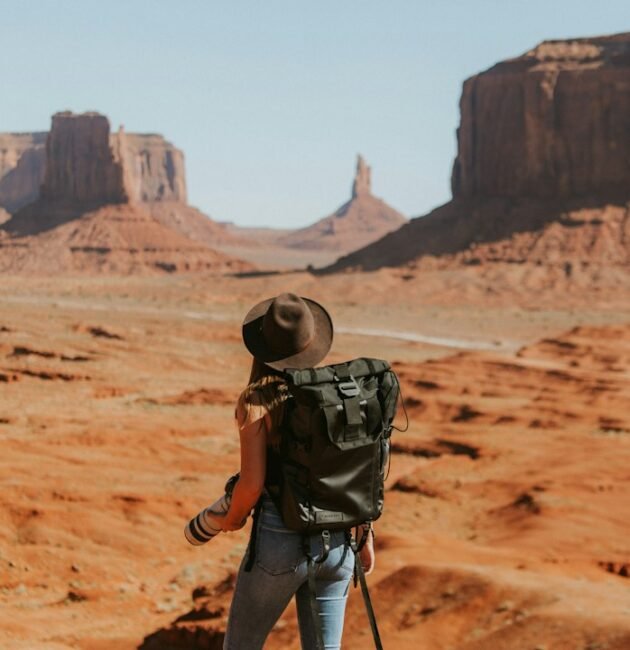
So, you’re looking for some straightforward ways to make your travels smoother, no matter where you’re headed. The good news is, there are indeed a bunch of simple tricks that can significantly reduce stress and enhance your experience, from packing smarter to navigating foreign lands with more confidence. We’re talking practical tips you can actually use, not just fluffy ideas. Let’s dive in.
Before You Go: Smart Planning & Prep
A successful trip often starts long before you even leave your doorstep. A little pre-travel planning can save you a lot of headaches and give you peace of mind.
Digital Document Backup
Imagine losing your passport or wallet in a foreign country. It’s a traveler’s nightmare. While preventing loss entirely isn’t always possible, having digital copies of all your important documents is a lifesaver. Take clear photos or scan your passport, visa, driver’s license, travel insurance details, flight tickets, and accommodation confirmations. Store these in a secure cloud service (like Google Drive, Dropbox, or iCloud) that you can access from any device, and email a copy to a trusted family member or friend. This way, if the physical documents go missing, you have immediate access to the necessary information for replacements or proving your identity.
Notify Your Bank & Credit Card Companies
Nothing stops a trip faster than a frozen credit card. Many banks flag unusual international transactions as potential fraud, especially if you haven’t notified them of your travel plans. A quick call or online submission detailing your travel dates and destinations can prevent this. Also, it’s a good idea to check your card’s foreign transaction fees and ATM withdrawal limits. Some cards offer no foreign transaction fees, which can save you a decent amount over a longer trip. Have at least two different cards (a credit and a debit) from different banks, if possible, and store them separately in case one is lost or compromised.
Research Local SIM Card Options
Relying solely on Wi-Fi can be limiting and sometimes insecure. A local SIM card or an eSIM provides consistent connectivity, allowing you to use maps, translate, contact emergency services, and stay in touch without constantly hunting for a hotspot. Before you go, research the major mobile providers in your destination country. Look into their tourist packages, data allowances, and activation processes. Some countries offer SIM cards right at the airport, while others might require a visit to a local store. An eSIM is even simpler, as you can often purchase and activate it before you even land, avoiding the hassle of physical SIM swaps. Just ensure your phone is unlocked before you travel.
Understand Local Customs & Basic Phrases
A little cultural awareness goes a long way. Reading up on local customs, etiquette, and social norms can prevent misunderstandings and show respect to the people and places you visit. For example, knowing when to tip, how to dress appropriately for certain sites, or common greetings can significantly enhance your interactions. Learning a few basic phrases in the local language – “hello,” “thank you,” “excuse me,” “please,” “where is…” – can also open doors and make interactions smoother, even if you just fumble through them. Most locals appreciate the effort. Use language learning apps like Duolingo or Google Translate’s phrasebook feature to get started.
Packing Like a Pro: Efficiency & Adaptability

Packing is an art form. The goal isn’t just to fit everything, but to pack smart, so you have what you need without being weighed down.
The Rolling Method for Clothes
Forget folding. Rolling your clothes tightly saves a surprising amount of space and, perhaps more importantly, reduces wrinkles significantly. Each item, from t-shirts to jeans, gets rolled into a compact cylinder. This technique not only compresses your clothes but also makes it easier to see what you have in your suitcase without rummaging through stacks. For delicate items, you can still fold them gently and place them on top, but for the bulk of your wardrobe, rolling is the way to go.
Utilize Packing Cubes
Packing cubes are game-changers. These zippered fabric containers help organize your clothes and other items into neat compartments within your luggage. Instead of a messy free-for-all, you can dedicate a cube to shirts, another to socks and underwear, another to pants, etc. This makes it incredibly easy to find what you need without unpacking everything. They also help compress items, offering an extra layer of organization and making it simpler to switch between different accommodations. When you arrive, you can simply pull out the relevant cube instead of scattering your belongings everywhere.
The “Wear Your Bulkiest Items” Rule
This is a simple but effective trick for carry-on only travelers or those trying to save space in checked luggage. Wear your heaviest, bulkiest items on the plane – think your hiking boots, heavy coat, or chunky sweater. This frees up significant space and weight in your bags. Even if you get a little warm on the plane, it’s a small price to pay for extra luggage capacity, and you can always shed layers once seated.
Travel-Sized Toiletries & Solid Alternatives
Don’t lug full-sized bottles of shampoo and conditioner unless you absolutely have to. Invest in reusable travel-sized containers and fill them with your preferred products. Even better, consider solid alternatives like shampoo bars, conditioner bars, and solid toothpaste tablets. These eliminate the risk of leaks, take up less space, and often last longer than their liquid counterparts. They’re also TSA-friendly, making airport security a breeze. Remember to check airline liquid restrictions for carry-on bags (usually 3-1-1 rule: 3.4 ounces/100ml per container, in a 1-quart size bag).
Create a “Mini Med Kit”
A small, well-stocked medical kit can be a lifesaver for minor ailments and emergencies. Include pain relievers, allergy medication, bandages, antiseptic wipes, antacids, any personal prescription medications (with copies of prescriptions), and a small tube of antibiotic ointment. Store everything in a small, waterproof pouch that’s easy to access. This saves you the hassle of trying to find a pharmacy in an unfamiliar place for a minor scratch or headache.
On the Go: Navigation & Staying Connected

Once you’re at your destination, navigating efficiently and staying connected without blowing your budget are key to a smooth journey.
Offline Maps are Your Best Friend
Don’t rely solely on an internet connection for directions. Before you leave your accommodation or Wi-Fi zone, download offline maps of the areas you plan to explore. Google Maps, Maps.me, and Citymapper all offer this feature. This means you can get turn-by-turn directions, search for points of interest, and gauge distances even without cell service, which is incredibly useful in remote areas, subway systems, or simply when conserving data. Mark important locations like your hotel, airport, and key attractions on the map beforehand for quick reference.
Portable Charger/Power Bank
Modern travel often revolves around our devices – phones for navigation, photos, communication, and entertainment. A dead phone battery is a major inconvenience, especially when you’re out exploring. A fully charged portable power bank (or two, for longer days) is essential. Make sure it has enough capacity to fully charge your devices multiple times and remember to charge the power bank itself overnight. Look for models with multiple USB ports if you have several devices.
Learn Local Transportation Basics
Before you arrive, do a quick search on the public transportation options in your destination. Is there a metro, bus system, or tram network? How do you buy tickets (cash, card, app)? Are there specific passes for tourists that offer better value? Understanding these basics can save you money and time compared to relying solely on taxis or ride-shares, especially in large cities. Apps like Citymapper are fantastic for planning routes using various modes of transport in many major cities worldwide.
Google Translate for Real-Time Communication
Beyond basic phrases, Google Translate’s real-time features are incredibly powerful. Its camera mode can instantly translate signs, menus, and documents simply by pointing your phone at the text. The conversation mode allows for back-and-forth dialogue translation, which is invaluable when trying to communicate with locals who don’t speak your language. Download the language packs for your destination beforehand so these features work even without an internet connection.
Secure Your Valuables (Subtle Methods)
While it’s important to be aware of your surroundings, constantly clutching a flashy bag can make you a target. Instead, adopt more subtle security measures. Use a money belt or a discreet travel wallet worn under your clothes for your passport, extra cash, and backup credit cards. Distribute your money – don’t keep all your cash in one wallet. A hidden pocket in your bag or a less-obvious pocket in your clothing can also be useful for smaller sums. Always keep your main wallet or purse in a front pocket or cross-body bag that’s difficult for pickpockets to access. Avoid leaving valuable items unattended, even for a moment.
Saving Money & Enhancing Experiences
Travel doesn’t have to break the bank, and some simple strategies can significantly stretch your budget and open up more authentic experiences.
Eat Like a Local (Street Food & Markets)
Tourist traps often mean inflated prices and mediocre food. To save money and experience authentic cuisine, seek out local markets, street food vendors, and small eateries frequented by residents. Not only is the food often more delicious and culturally rich, but it’s almost always significantly cheaper than restaurant dining in tourist areas. Observe where locals are eating – long lines at a street stall are usually a good sign! This also provides a great opportunity to interact with local culture directly.
Free Walking Tours
Many cities offer free walking tours (often tip-based). These are an excellent way to get an overview of a city’s history, culture, and key sights, usually led by knowledgeable local guides. It’s a fantastic introduction, helps you orient yourself, and you can pick up recommendations for further exploration. While they are technically free, it’s customary and appreciated to tip your guide at the end if you enjoyed the tour.
Utilize Hostel Kitchens or Grocery Stores
If your accommodation has a kitchen (common in hostels, some Airbnbs, or apartment rentals), take advantage of it. Preparing some of your own meals, especially breakfast and a packed lunch, can save a substantial amount of money compared to eating out for every meal. Even if you don’t have a kitchen, buying snacks, drinks, and some basic breakfast items from a local grocery store is far more economical than relying on convenience stores or cafes.
Take Advantage of Free Attractions
Research free attractions in your destination. Many cities offer free entry to museums on specific days, beautiful parks, stunning architecture, public art installations, and vibrant markets that cost nothing to explore. A leisurely stroll through a historic neighborhood or a picnic in a scenic park can be just as enriching as a paid attraction, often more so, and helps balance your budget.
Look for Local Discounts & Tourist Cards
Before you commit to buying individual tickets for attractions, check if your destination offers a city tourist card or a cumulative discount pass. These often bundle entry to multiple museums and attractions, sometimes including public transport, at a reduced overall price. Do the math to see if it makes financial sense for your planned activities – they aren’t always a good deal if you only plan to visit a couple of places. Also, look for student, senior, or military discounts if applicable.
Staying Safe & Sound: Health & Awareness
| Travel Trick | Description | Benefit | Example Metric |
|---|---|---|---|
| Pack Light | Bring only essential items to reduce luggage weight. | Increases mobility and reduces baggage fees. | Average luggage weight reduced by 30% |
| Use Packing Cubes | Organize clothes and accessories efficiently. | Saves space and keeps items accessible. | Up to 20% more space in suitcase |
| Download Offline Maps | Access maps without internet connection. | Prevents getting lost and saves data. | Offline map usage reduces navigation errors by 40% |
| Carry a Reusable Water Bottle | Stay hydrated and reduce plastic waste. | Cost savings and environmental benefit. | Save up to 100 plastic bottles per trip |
| Book Flights Early | Reserve tickets in advance for better prices. | Lower travel costs and better seat selection. | Average savings of 15% on airfare |
| Use Travel Apps | Manage bookings, itineraries, and local info. | Improves trip organization and convenience. | Trip planning time reduced by 25% |
| Learn Basic Local Phrases | Communicate essential needs in local language. | Enhances cultural experience and assistance. | Increases positive local interactions by 50% |
While travel is exciting, it’s also important to prioritize your safety and well-being. A few simple precautions can make a big difference.
Travel Insurance is Not Optional
This isn’t really a “trick” but a fundamental necessity often overlooked by budget-conscious travelers. Good travel insurance is crucial. It covers unforeseen circumstances like medical emergencies, trip cancellations, lost luggage, and more. Even for short trips, the peace of mind knowing you’re covered for potential medical costs or travel disruptions is invaluable. Read the policy carefully to understand what’s covered and what isn’t, especially regarding adventure activities or pre-existing conditions.
Share Your Itinerary
Inform a trusted friend or family member about your general itinerary, including flight details, accommodation addresses, and major planned activities. If you’re traveling solo, check in with them periodically. In case of an emergency, someone will know where you are and when you’re expected to be in touch. This is a simple safety net that requires minimal effort.
Stay Hydrated and Prioritize Rest
Travel can be exhausting, especially with different time zones, climates, and constant activity. Dehydration and lack of sleep can severely impact your mood, energy levels, and even your immune system, making you more susceptible to illness. Carry a reusable water bottle and refill it whenever possible. Make a conscious effort to get enough rest, especially after long travel days. Listen to your body and don’t push yourself too hard.
Be Aware of Your Surroundings (Situational Awareness)
This isn’t about being paranoid, but about being observant. Pay attention to what’s happening around you. Notice who is near you, where your bag is, and potential exits. Avoid walking alone at night in unfamiliar or poorly lit areas. Don’t flash expensive items or large sums of cash. Trust your gut feeling – if a situation or an interaction feels off, remove yourself from it. These common-sense practices can significantly reduce your risk.
Learn Basic Local Emergency Numbers
It’s a small but vital piece of information. Before you go, find out the local emergency numbers for police, ambulance, and fire services. Write them down or save them in your phone. In many countries, 112 is a common emergency number, but it’s best to verify for your specific destination. Knowing these numbers can be crucial in a genuine emergency and could save precious time.
These simple tricks are designed to be practical tools in your travel toolkit. They’re not about overly complicated strategies, but rather about common-sense approaches that can make your adventures more enjoyable, safer, and often more affordable. Happy travels!