
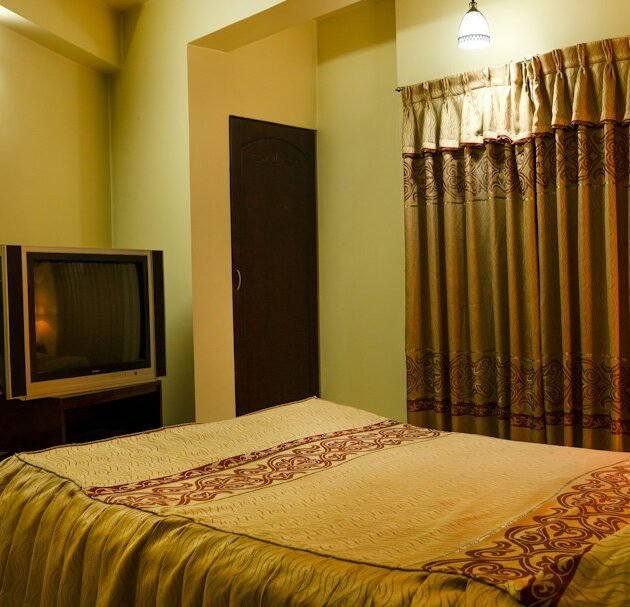
Looking for comfortable, budget-friendly hotels doesn’t have to be a scavenger hunt. The good news is, you absolutely can find places that offer a decent night’s sleep without emptying your wallet. It’s all about knowing what to look for and where to compromise smartly, ensuring your stay is relaxing rather than regrettable. This article will guide you through finding those hidden gems.
Understanding “Cheap” and “Comfortable”
Let’s get real about what “cheap” and “comfortable” mean when combined in the hotel world. “Cheap” doesn’t necessarily mean dilapidated or unclean. It typically means fewer frills, smaller rooms, and perhaps a less central location. “Comfortable,” on the other hand, boils down to a clean, safe room, a decent bed, functional plumbing, and perhaps some basic amenities like Wi-Fi. The sweet spot is finding a hotel that strips away the unnecessary extras but retains the essentials for a good rest.
What to Expect from Budget-Friendly Comfort
When you’re aiming for a budget stay, temper your expectations of five-star luxury. You won’t typically find concierges, spas, or multiple dining options on-site. Instead, focus on the core offerings:
- Cleanliness: This is non-negotiable. A budget hotel can still be spotless.
- Comfortable Bed: A supportive mattress, clean sheets, and decent pillows are paramount.
- Functional Bathroom: Hot water, good water pressure, and working fixtures are key.
- Basic Amenities: Free Wi-Fi, air conditioning/heating, and perhaps a small TV.
- Safety and Security: Well-lit areas, secure locks, and a general sense of safety.
Where Budget Hotels Often Save Costs
Understanding how these hotels keep prices down can help you manage your expectations and identify good value.
- Smaller Rooms: Often more compact than mid-range or luxury options.
- Limited Services: Fewer staff, no room service, self-serve breakfast (if any).
- Out-of-the-Way Locations: A little further from prime tourist spots, but often accessible by public transport.
- Basic Decor: Functional rather than fancy, focusing on durability and easy maintenance.
- No “Extras”: Skip the pool, gym, or on-site restaurant for a simple, sleep-focused stay.
Key Factors for Spotting Value

Finding a great deal isn’t just about the lowest price tag. It’s about getting the most bang for your buck by evaluating several factors beyond the nightly rate.
Location Matters (Even for Budget Stays)
A hotel that costs less but requires expensive taxi rides or long commutes might not be a bargain after all.
- Public Transport Access: Look for hotels near subway stations, bus stops, or tram lines. This can save you a significant amount on transportation.
- Walkability: Is there a grocery store, pharmacy, or a few eateries within walking distance? This adds convenience and value.
- Proximity to Your Purpose: If you’re visiting for a specific event or attraction, calculate the travel time and cost to ensure the “cheap” hotel isn’t adding hidden expenses. Sometimes paying a little more for a slightly better location can save you money and time in the long run.
The Power of Reviews
Online reviews are your best friend when hunting for budget comfort. They offer unfiltered insights from previous guests.
- Focus on Specifics: Don’t just look at the star rating. Read comments about bed comfort, cleanliness, noise levels, and staff helpfulness.
- Identify Trends: If multiple reviews mention a particular issue (e.g., “noisy street,” “slow Wi-Fi,” “grumpy staff”), take it seriously. Conversely, consistent praise for cleanliness or good service is a strong indicator.
- Look for Recent Reviews: Hotel quality can change over time. Prioritize reviews from the last six months to a year.
- Consider the Reviewer’s Perspective: A solo budget traveler might have different priorities than a family with young children. Try to find reviews from people similar to your travel style.
- Ignore Extremes: Extremely negative or overly glowing reviews might be outliers. Look for the consistent middle ground.
Amenities that Add Comfort Without High Cost
Even budget hotels can offer small touches that significantly enhance your stay.
- Free Wi-Fi: Almost standard now, but ensure it’s reliable and not spotty.
- Complimentary Breakfast (Even Basic): A simple continental breakfast (toast, cereal, coffee) can save you money and time in the mornings.
- Air Conditioning/Heating: Essential for comfort in varying climates. Check if it’s individually controlled in the room.
- Private Bathroom: While hostels might offer shared facilities, a budget hotel should ideally provide a private en-suite.
- In-Room Coffee/Tea Maker: A small luxury that can make a big difference in the morning.
- Mini-Fridge: Great for keeping drinks or snacks, saving you money on convenience store purchases.
- 24-Hour Front Desk: Provides security and assistance, especially if you have late arrivals or early departures.
Evaluating Hotel Chains vs. Independents
Both types of establishments offer good budget options, but with different characteristics.
- Budget Chains (e.g., Ibis Budget, Travelodge, Premier Inn, Motel 6, Holiday Inn Express):
- Pros: Consistency in standards, predictable amenities, often good loyalty programs, easy booking process. You generally know what you’re getting.
- Cons: Can lack local character, sometimes feel generic.
- Independent Hotels/Guesthouses:
- Pros: Unique charm, often more personalized service, potential for locally sourced amenities, sometimes better value in specific niches.
- Cons: Quality can vary wildly, harder to predict consistency, rely heavily on individual reviews.
Booking Smart for Better Value

The timing and method of your booking can significantly impact the price you pay.
When to Book
There’s no single “magic” time, but a few strategies can help.
- Early Bird: For popular destinations or peak seasons, booking several months in advance often secures better rates, especially for budget options that fill up quickly.
- Last Minute (Risky but Rewarding): If you’re flexible and traveling off-peak, you might find last-minute deals as hotels try to fill unsold rooms. This is a gamble, though, and not recommended if you have strict travel dates or limited options.
- Mid-Week Stays: Weekends and holidays almost always command higher prices. If your schedule allows, look for Sunday-Thursday night stays.
- Off-Season Travel: Visiting during the shoulder seasons (spring/fall) or even the true off-season can drastically reduce hotel costs.
Where to Book
Leverage different platforms to find the best deals.
- Comparison Websites (e.g., Booking.com, Expedia, Kayak, Google Hotels): Start here to get a broad overview of prices across many hotels. Use their filters to narrow down by price, amenities, and guest ratings.
- Hotel’s Official Website: Once you’ve found a few contenders, always check the hotel’s own website. Sometimes they offer exclusive deals, loyalty program discounts, or better cancellation policies than third-party sites.
- Discount Codes and Promotions: Look for promo codes online or sign up for hotel chain newsletters.
- Direct Booking Benefits: Some hotels offer perks like free breakfast, upgraded Wi-Fi, or late check-out for direct bookings.
Understanding Pricing Fluctuations
Hotel prices are dynamic and change based on demand, local events, and even time of day.
- Demand-Based Pricing: Expect higher prices during major conferences, festivals, sporting events, or school holidays.
- Dynamic Algorithms: Hotel pricing systems adjust rates constantly. Clearing your browser cookies or using incognito mode can sometimes show different prices, though this is less common than it used to be.
- Consider Bundles: Sometimes booking a flight and hotel together through a package deal can be cheaper, but always compare the individual costs first.
Top Budget Hotel Chains and Recommendations
While specific independent hotels change constantly and are location-dependent, several budget-friendly chains consistently deliver on comfort and value worldwide.
Global Go-To Chains for Reliable Value
These chains have a reputation for consistent, clean, and comfortable stays at an affordable price point.
- Ibis Budget (Accor Group): Known for very basic, functional rooms. They focus on a comfortable bed, a small desk, and a clean, compact en-suite bathroom. No frills, but usually reliable. You’ll often find them just outside city centers with good transport links.
- Travelodge (UK & Ireland Focus): A staple in the UK, offering clean, simple rooms with comfortable beds. They focus on core sleep essentials. Premier Inn is another strong contender in the UK for slightly more comfort.
- Motel 6 (North America Focus): A classic no-frills option in the US and Canada. Renovated locations offer decent value. Expect basic but clean rooms, often pet-friendly. Great for road trips.
- Holiday Inn Express (IHG Group): A step up from the very basic options. Often includes free breakfast (usually continental, sometimes with hot items), free Wi-Fi, and slightly larger rooms. A good balance of comfort and cost.
- Comfort Inn / Quality Inn (Choice Hotels International): Another reliable chain, primarily in North America but with a presence elsewhere. They aim for a bit more comfort than basic budget options, often with complimentary breakfast and Wi-Fi.
- B&B Hotels (Europe Focus): Popular across Europe, offering modern, clean rooms with private bathrooms, free Wi-Fi, and often a simple breakfast option for an additional fee. Good value for money.
Specific Considerations by Region
Different regions have their own budget champions and unique aspects to consider.
North America
- Extended Stay America: Good for longer stays, as rooms often have a kitchenette, which can save a lot on food costs.
- Super 8 / Days Inn (Wyndham Group): Widely available, offering basic amenities. Quality can vary, so always check recent reviews for specific locations.
- Roadside Motels: Many independent motels exist, especially along highways. These can be incredible bargains or quite rough. Use review sites diligently.
Europe
- Etap Hotel / F1 Hotel (France): Very basic, often with shared bathrooms (F1) or tiny private ones (Etap, now mostly Ibis Budget). Ultra-budget, good for short stops.
- Zleep Hotels (Nordics): A Danish chain offering good value and modern, Scandinavian-design rooms.
- Meininger Hotels (Germany & Europe): A hybrid between a hotel and a hostel, offering private rooms with en-suite bathrooms, often in central locations. Great for solo travelers or small groups on a budget.
- CitizenM / Generator Hostels (Europe & Beyond): While not always strictly “cheap,” these offer excellent value for design-conscious travelers. CitizenM focuses on compact, tech-savvy rooms, and Generator offers stylish hostel environments with private room options.
Asia & Oceania
- Tune Hotels (Southeast Asia): Part of the AirAsia group, offering “pay-as-you-use” amenities. Basic rooms, but you pay extra for AC, towels, etc., allowing for very low base rates.
- RedDoorz / OYO (Southeast Asia & India): Large networks of rebranded independent hotels. Quality can be inconsistent, but they often offer extremely low prices. Again, reviews are crucial.
- Formule 1 (Australia): Similar to its French counterpart, offering very basic rooms, often with shared facilities, but usually clean and secure.
Maintaining Comfort on a Budget Trip
| Hotel Name | Location | Average Nightly Rate | Guest Rating (out of 10) | Free Amenities | Distance to City Center (miles) |
|---|---|---|---|---|---|
| Comfort Inn Downtown | New York, NY | 85 | 8.2 | Wi-Fi, Breakfast | 0.5 |
| Budget Stay Hotel | Chicago, IL | 70 | 7.8 | Wi-Fi, Parking | 1.2 |
| Sunny Side Inn | Miami, FL | 65 | 8.0 | Wi-Fi, Pool | 2.0 |
| City Lodge | San Francisco, CA | 90 | 8.5 | Wi-Fi, Breakfast, Gym | 0.8 |
| Green Leaf Motel | Seattle, WA | 60 | 7.5 | Wi-Fi, Parking | 3.5 |
Even in a budget hotel, there are things you can do to enhance your comfort and overall experience.
Packing Smart
Your luggage choices can directly impact your comfort.
- Travel Pillow: A good neck pillow can make even a less-than-perfect hotel pillow feel better.
- Eye Mask and Earplugs: Essential for blocking out light and noise, especially if your room faces a busy street or has thin walls.
- Portable Fan/Heater: If you’re sensitive to temperature and the room’s climate control isn’t great, a small personal device can be a lifesaver.
- Reusable Water Bottle: Stay hydrated without constantly buying bottled water. Many hotels have water dispensers or allow you to fill up from the tap.
- Basic Toiletries: While most budget hotels provide soap, bringing your preferred shampoo, conditioner, and lotion can add a touch of home comfort.
- Snacks and Drinks: Keep a few non-perishable snacks and drinks on hand to avoid expensive mini-bar prices or late-night hunger pangs.
Personalizing Your Space
Even a basic room can feel more inviting with a few simple tweaks.
- Unpack a Little: Even if it’s just for a night or two, getting things out of your suitcase and into drawers or on hangers can make the room feel less temporary.
- Adjust Lighting: Use bedside lamps rather than harsh overhead lights to create a softer ambiance.
- Control the Temperature: Figure out how to use the thermostat effectively as soon as you arrive.
- Create a “Zone”: Designate an area for sleeping, an area for working (if needed), and an area for relaxing.
Leveraging Local Resources
You don’t need a fancy hotel to access amenities.
- Local Cafes: Use nearby coffee shops for better coffee, free Wi-Fi (if the hotel’s is weak), or a change of scenery.
- Public Parks/Spaces: If your hotel lacks common areas, seek out local parks or public squares for relaxation.
- Affordable Eateries: Explore local markets or street food vendors for delicious and cheap meals, rather than relying on hotel food.
- Public Libraries: Can offer quiet workspaces and strong Wi-Fi.
Finding a comfortable, cheap hotel is absolutely achievable. It requires a bit of research, realistic expectations, and smart booking strategies. By focusing on essential comforts, leveraging reviews, and being strategic about your location and amenities, you can enjoy a pleasant stay without breaking the bank. Happy travels!