
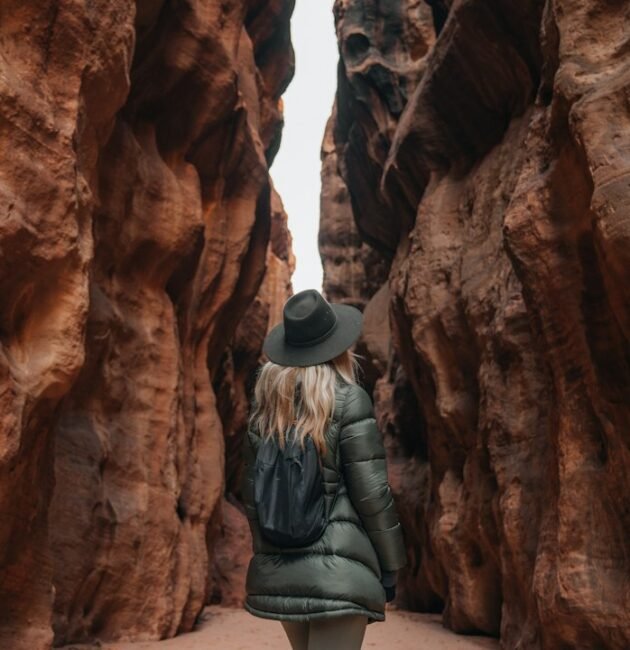
Planning a solo trip opens up a world of possibilities, and the ‘best’ things to do are really about what resonates with you. The core idea is to embrace independence and follow your own curiosities, whether that means diving deep into a new culture, challenging yourself physically, or simply enjoying quiet reflection. It’s about crafting an experience that’s uniquely yours, free from compromise or external expectations.
Embracing Local Culture and Cuisine
One of the most rewarding aspects of solo travel is the freedom to fully immerse yourself in a destination’s local flavor. Without needing to consider others’ preferences, you can chase down that specific street food stall, spend hours in a quirky museum, or simply observe daily life unfold from a park bench.
Navigating Local Markets and Food Stalls
Local markets are a sensory feast and a fantastic way to get a feel for a place. As a solo traveler, you can wander at your own pace, stopping to admire crafts, sample exotic fruits, or just soak in the vibrant atmosphere. Don’t be afraid to try street food; it’s often where you’ll find the most authentic and delicious local dishes. Look for stalls with long lines of locals – that’s usually a good sign. Engaging with vendors, even with a language barrier, can lead to interesting interactions and a deeper understanding of local customs. Plus, buying directly supports the local economy.
Participating in Workshops and Classes
From cooking classes that teach you traditional recipes to pottery workshops or language lessons, participating in local activities is a great way to connect with the culture and meet new people. These structured experiences provide a natural setting for interaction, and you’ll leave with a new skill or a delicious memory. Imagine learning to make pasta in Italy, roll sushi in Japan, or dance salsa in Cuba. It’s an active way to learn and contribute to the local scene, far more engaging than simply observing from the sidelines.
Enjoying Solo Dining Experiences
Dining alone can feel daunting at first, but it’s incredibly liberating. You can choose exactly what you want, when you want it. Take your time, savor each bite, and people-watch. Bring a book, journal, or simply enjoy the quiet contemplation. Many restaurants, especially in Europe, are accustomed to solo diners. Consider sitting at the bar for a more casual and often more interactive experience with staff and fellow patrons. Some restaurants even offer tasting menus that are perfect for a single diner looking to experience a range of local flavors.
Connecting with Nature and Adventure

Solo trips offer an unparalleled opportunity to reconnect with nature and challenge yourself physically. Without the need to keep pace with others, you can tailor your outdoor pursuits exactly to your energy levels and interests.
Hiking and Trekking Solo
Hiking is a fantastic solo activity. You can choose trails that match your fitness level and desired solitude. The peace of mind that comes from navigating a path independently, surrounded by natural beauty, is incredibly therapeutic. Always inform someone of your route and expected return time, carry essentials like water and a first-aid kit, and stick to marked trails, especially if you’re venturing into unfamiliar territory. The feeling of accomplishment when you reach a summit or complete a challenging trek on your own is truly special.
Exploring National Parks and Scenic Routes
National parks and scenic drives are ideal for solo exploration. You can stop whenever a view catches your eye, linger at a particular viewpoint, or spontaneously detour down an interesting side road. Renting a car gives you ultimate flexibility, but many parks also have shuttle systems or organized tours that cater to individual travelers. Take advantage of visitor centers for maps and advice, and consider a guided nature walk to learn more about the local flora and fauna.
Trying New Outdoor Sports
Ever wanted to try paddleboarding, rock climbing, or sea kayaking? A solo trip is the perfect opportunity. Sign up for a beginner’s lesson. It’s a great way to push your boundaries, learn a new skill, and often connect with instructors and other beginners. These activities often require a local guide or group, providing a safe way to try something adventurous while still maintaining your independence. The sense of achievement from mastering a new sport in a beautiful natural setting is incredibly empowering.
Fostering Personal Growth and Reflection

One of the most profound benefits of solo travel is the space it creates for self-discovery. Free from external influences and expectations, you can truly listen to your own thoughts and feelings, and grow in unexpected ways.
Journaling and Self-Reflection
A solo trip is an excellent time to start or deepen a journaling practice. Dedicate time each day to write down your experiences, observations, and feelings. This isn’t just a record of your trip; it’s a tool for processing emotions, recognizing patterns, and understanding yourself better. Find a quiet cafe, a scenic viewpoint, or a park bench and let your thoughts flow. Looking back on your entries after the trip can offer valuable insights into your journey and personal growth.
Practicing Mindfulness and Meditation
Traveling alone provides ample opportunity for mindfulness. Whether it’s truly noticing the details of a bustling street, savoring a meal without distraction, or simply sitting quietly in a beautiful place, mindfulness helps you engage fully with the present moment. If you have a meditation practice, solo travel can be a great time to deepen it. Find a peaceful spot, put on some headphones, and spend a few minutes focusing on your breath. It can help ground you amidst new experiences and manage any feelings of overwhelm.
Embracing Solitude and Independence
Learning to be truly comfortable in your own company is a powerful skill, and solo travel fosters it. Embrace the quiet moments, the freedom to change your plans on a whim, and the satisfaction of navigating challenges independently. It builds confidence and resilience. You’ll discover things about yourself you never knew, from your problem-solving abilities to your true preferences. This newfound independence often translates into daily life long after your trip ends.
Engaging with Arts and History
A solo trip allows you to indulge your specific interests in arts and history without having to compromise. You can spend as long as you like in front of a single painting, delve into a niche museum, or revisit a historical site multiple times.
Visiting Museums and Galleries
Museums and art galleries are perfect for solo exploration. You can set your own pace, skipping exhibits that don’t interest you and lingering over those that do. Rent an audio guide for a deeper dive into the collections; it feels like having a personal curator. Many museums also have quiet cafes where you can take a break and reflect on what you’ve seen. Without the distraction of conversation, you can really absorb the art and history.
Attending Live Performances and Concerts
Whether it’s a local theater production, a classical concert, a jazz club, or a major musical, attending a live performance can be a magical experience. As a solo traveler, you can often find single tickets more easily, sometimes even at the last minute. It’s a fantastic way to experience the local culture and create a memorable evening. Dress up if you feel like it, and enjoy the communal energy of an audience, even if you’re attending alone.
Exploring Historical Sites and Archeological Ruins
Wandering through ancient ruins or historical landmarks can be profoundly impactful when you’re alone. You can let your imagination run wild, contemplating the lives of those who walked there before you. Take your time reading every informational plaque, or simply sit and observe. Audio tours or guidebooks can enhance your understanding without the need for a human guide if you prefer solitude. The quiet reverence you can achieve in these places solo is often more powerful than visiting with a group.
Cultivating New Connections and Experiences
| Activity | Description | Benefits | Recommended Duration | Ideal Locations |
|---|---|---|---|---|
| Exploring Local Cuisine | Trying traditional dishes and street food unique to the destination. | Enhances cultural understanding and sensory experience. | 1-3 hours per meal | Food markets, local restaurants, street food stalls |
| Visiting Museums and Galleries | Discovering art, history, and culture through exhibits. | Educational and inspiring; quiet and reflective activity. | 2-4 hours | City centers, cultural districts |
| Nature Hikes and Walks | Exploring natural landscapes, parks, and trails. | Physical exercise, mental relaxation, and scenic views. | 2-6 hours | National parks, countryside, coastal trails |
| Attending Local Events or Workshops | Participating in cultural festivals, classes, or meetups. | Social interaction and skill development. | 1-3 hours | Community centers, event venues |
| Journaling or Blogging | Documenting travel experiences and personal reflections. | Enhances mindfulness and preserves memories. | 30 minutes to 1 hour daily | Any quiet spot, cafes, parks |
| Photography | Capturing moments, landscapes, and street scenes. | Creative expression and memory keeping. | Varies; often integrated throughout the day | Urban areas, nature spots, landmarks |
| Relaxing at Cafes or Parks | Taking time to unwind and people-watch. | Stress relief and cultural immersion. | 1-2 hours | Cafes, public parks, plazas |
| Learning a New Skill | Taking classes such as cooking, dancing, or language lessons. | Personal growth and cultural connection. | 2-4 hours | Local schools, studios, community centers |
While solo travel is about independence, it doesn’t mean being alone all the time. In fact, traveling solo often makes you more approachable and open to meeting new people.
Staying in Hostels or Guesthouses with Communal Spaces
Even if you prefer a private room, choosing a hostel or guesthouse with a common lounge, kitchen, or bar can be a great way to meet fellow travelers. These spaces naturally foster interaction. Many hostels organize events like walking tours, pub crawls, or movie nights, which are easy ways to join a group without feeling awkward. You’ll often find people planning similar activities and looking for companions.
Joining Guided Tours and Day Trips
Organized tours, whether for a city walking tour, a food tour, or a day trip to a nearby attraction, are excellent for solo travelers. They provide structure, transport, and often insightful local commentary. Crucially, they also offer a ready-made group of people with whom to share an experience. It’s a low-pressure way to strike up conversations and potentially find new travel buddies for a portion of your trip.
Engaging with Locals and Expats
Don’t be shy about striking up conversations. A friendly smile and an attempt at local phrases can go a long way. Sit at the bar, frequent local cafes, or use apps like Meetup or Couchsurfing (for events, not just accommodation) to find local gatherings. Expats are also often keen to share their knowledge and connect with new people. These interactions can lead to authentic insights into the local culture and sometimes even lasting friendships.
Volunteering or Taking a Short-Term Class
Consider dedicating a few days to volunteering for a local cause or enrolling in a short course (like cooking, art, or a language immersion). These activities not only enrich your travel experience but also provide a natural environment to meet like-minded individuals, both locals and other travelers. It’s a meaningful way to give back and integrate into the community, even for a brief period.
Do you run tours or sell travel packages in Solo? Advertise here.