

So, you’re wondering where to actually go when you’re traveling? The world’s a big place, and deciding where to spend your precious vacation time and money can feel overwhelming. Skip the endless scrolling and generic “top 10” lists. This article cuts straight to some truly impactful places and attractions that offer more than just a photo op. We’re talking about experiences that stick with you, whether it’s delving into ancient history, marveling at natural wonders, or immersing yourself in vibrant cultures. Let’s get into some solid ideas for your next adventure.
Iconic Cities and Their Enduring Charms
When it comes to travel, certain cities just have a gravitational pull. They offer a concentrated dose of culture, history, and often, incredible food. These aren’t just places; they’re experiences woven into the fabric of human civilization.
Rome: A Living Museum
Rome isn’t just old; it’s ancient history alive and kicking. You walk past ruins that predate entire nations, grab a coffee in a piazza that’s been bustling for centuries, and then marvel at art that changed the course of human expression. It’s an intoxicating mix of grandeur and everyday life.
The Colosseum and Roman Forum
You can’t really talk about Rome without mentioning the Colosseum. It’s a truly massive amphitheater, an engineering marvel for its time, and a stark reminder of the Roman Empire’s power and spectacle. Standing inside, you can almost hear the roar of the crowds. Just next door is the Roman Forum, a sprawling complex of ruins that was once the heart of ancient Rome’s political, religious, and commercial life. Wandering through these fallen temples, basilicas, and arches gives you a profound sense of history. It’s not just a pile of stones; it’s where Western civilization, in many ways, began to take shape. Give yourself plenty of time here; it’s a lot to take in.
Vatican City: Spiritual and Artistic Powerhouse
Nestled within Rome is the smallest independent state in the world, Vatican City. It’s the spiritual center of the Roman Catholic Church and home to some of the most extraordinary art and architecture ever created. St. Peter’s Basilica is awe-inspiring, a massive structure filled with incredible details, including Michelangelo’s Pietà. The Vatican Museums, home to the Sistine Chapel, are a journey through centuries of artistic masterpieces. Seeing Michelangelo’s ceiling and “The Last Judgment” in person is an experience that stays with you, regardless of your religious beliefs. Booking tickets in advance is absolutely essential here to avoid long queues.
Trastevere: Charming Roman Life
After all the historical heavy lifting, Trastevere offers a different flavor of Rome. This charming neighborhood across the Tiber River is a maze of narrow, cobblestone streets, often draped with ivy, leading to unexpected piazzas. It’s a great place to wander, explore artisan shops, and enjoy authentic Roman cuisine in one of its many trattorias. The atmosphere here is more relaxed, bohemian, and feels a bit like stepping back in time. It’s perfect for an evening stroll and dinner, away from some of the main tourist hustle.
Kyoto: Timeless Japanese Elegance
Kyoto offers a profound contrast to the modern buzz of Tokyo. It was Japan’s imperial capital for over a thousand years, and that history is palpable in its thousands of temples, traditional gardens, geisha districts, and teahouses. It’s a place where ancient traditions are not just preserved but actively lived.
Fushimi Inari-taisha Shrine
This Shinto shrine is instantly recognizable for its thousands of vibrant orange torii gates that snake up the sacred Mount Inari. It’s dedicated to Inari, the Shinto god of rice, and foxes are considered his messengers. Walking through the seemingly endless tunnels of gates, each donated by an individual or company, is a truly immersive and almost meditative experience. The hike to the top offers fantastic views of Kyoto, and the atmosphere changes as you go higher, becoming quieter and more serene. Go early in the morning to avoid the biggest crowds and appreciate the quiet beauty.
Arashiyama Bamboo Grove
Stepping into the Arashiyama Bamboo Grove feels like entering another world. Towering stalks of bamboo create an ethereal canopy, and the rustling sound they make as the wind blows through them is incredibly soothing. While it can get crowded, especially during peak season, finding a quiet moment amidst the towering green allows you to connect with nature in a unique way. Combine your visit here with a trip to the nearby Tenryu-ji Temple, one of Kyoto’s most significant Zen temples, and enjoy a stroll through its beautiful traditional gardens.
Gion: Geisha District
Gion is Kyoto’s most famous geisha district, where you might still catch a glimpse of a geiko (Kyoto dialect for geisha) or maiko (apprentice geisha) elegantly making their way to an engagement. The area is characterized by its traditional wooden machiya houses, exclusive teahouses, and restaurants. While it’s important to be respectful and not disturb them, an evening stroll through Gion offers a fascinating peek into a deeply rooted cultural tradition. Many traditional arts, like tea ceremony and kabuki theater, also have strong roots here.
Natural Wonders That Inspire Awe
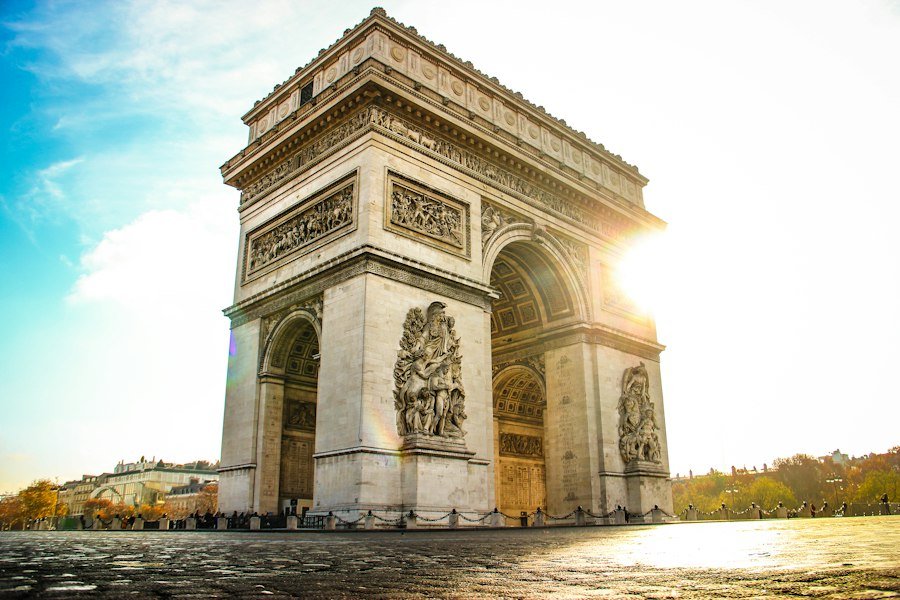
Sometimes, the greatest attractions are those crafted by nature itself. These places aren’t just pretty; they are immense, powerful, and often humbling. They remind us of the sheer scale and beauty of our planet.
Grand Canyon National Park, USA
The Grand Canyon is one of those places that defies photographs and even words. It’s a vast, gaping chasm carved by the Colorado River over millions of years, revealing layers of geological history in its colorful rock formations. Standing on the rim, looking out over its sheer immensity, is an almost spiritual experience.
South Rim: Classic Views and Accessibility
The South Rim is the most popular and accessible part of the Grand Canyon, and for good reason. It offers the most iconic, sweeping vistas and is open year-round. There are numerous viewpoints like Mather Point, Yavapai Point, and Hopi Point, all offering slightly different perspectives on the canyon’s vastness. Shuttle buses operate along the rim, making it easy to hop between viewpoints. For those looking for more than just a roadside view, there are various hiking trails ranging from easy rim walks to challenging descents into the canyon, like the Bright Angel Trail or South Kaibab Trail. Even just an hour here can give you a profound appreciation for its scale.
North Rim: Secluded and Different Perspective
For a more secluded and wilder experience, the North Rim offers a different perspective and is generally less crowded. It’s a bit higher in elevation, features more forested areas, and has a shorter operating season (typically May to October due to snow). While fewer viewpoints exist compared to the South Rim, those that do, like Bright Angel Point, offer equally stunning, if not more intimate, views. The drive to the North Rim itself is scenic, passing through forests and meadows. If you have the time and desire for a quieter, more immersed-in-nature experience, the North Rim is a fantastic choice.
Rafting the Colorado River
For the truly adventurous, rafting the Colorado River through the Grand Canyon is an epic, once-in-a-lifetime journey. Trips can range from a few days to several weeks, covering hundreds of miles of thrilling rapids and serene stretches of water. This offers an unparalleled perspective of the canyon, allowing you to experience its towering walls from the very bottom. You’ll camp on sandy beaches, explore side canyons, and truly disconnect from the modern world. It requires significant planning and booking far in advance, but the reward is an intimate connection with this natural wonder.
Patagonia: Glaciers and Mountains on the Edge of the World
Straddling Argentina and Chile, Patagonia is a wild, untamed region of jagged peaks, vast glaciers, sprawling steppes, and pristine lakes. It’s a place for adventurers, hikers, and anyone who wants to feel truly small in the face of nature’s grandeur.
Torres del Paine National Park, Chile
Torres del Paine is arguably the crown jewel of Chilean Patagonia. Famous for its three granite peaks (the “Torres”), dramatic valleys, sapphire lakes, and active glaciers, it’s a hiker’s paradise. The “W Trek” and the full “O Circuit” are world-renowned multi-day hikes, offering incredible scenery and challenging terrain. You’ll encounter guanacos, condors, and possibly even pumas. Even if you’re not up for a multi-day trek, day hikes to places like Mirador Base Torres or exploring Grey Glacier are absolutely breathtaking. Proper gear and preparation are crucial due to the unpredictable Patagonian weather.
Los Glaciares National Park, Argentina
On the Argentinian side, Los Glaciares National Park is home to the stunning Perito Moreno Glacier, one of the few glaciers in the world that is still advancing. Watching massive chunks of ice calve off the glacier’s face and crash into Lago Argentino with a thunderous roar is an unforgettable spectacle. There are well-maintained walkways and viewing platforms that allow for excellent, close-up views. Beyond Perito Moreno, the park also encompasses the famous climbing and trekking mecca of El Chalten, with its iconic peaks of Fitz Roy and Cerro Torre. This area offers incredible day hikes and multi-day backpacking trips amidst some of the most dramatic mountain scenery on the planet.
Historical Sites That Transport You
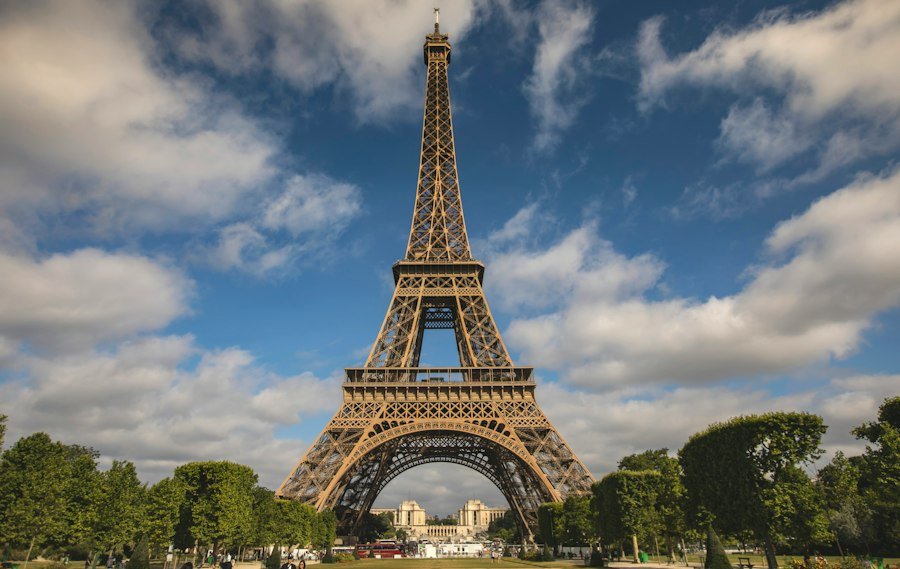
Some places don’t just tell history; they are history. Walking through them, you can almost hear the echoes of past civilizations, gaining a profound understanding of where we’ve come from.
Petra, Jordan: The Rose City
Petra is an ancient Nabataean city carved directly into vibrant sandstone cliffs. It’s an archaeological marvel and a UNESCO World Heritage site that has captivated visitors for centuries. The blend of natural beauty and human ingenuity here is simply stunning.
The Siq and The Treasury (Al-Khazneh)
Your journey into Petra begins with the Siq, a narrow, winding canyon that dramatically opens up to reveal Al-Khazneh, or The Treasury. This iconic facade, intricately carved into the pink sandstone, is an absolutely breathtaking sight, especially as the morning sun hits it. The anticipation built during the walk through the Siq makes the reveal even more spectacular. While it’s called “The Treasury,” it was likely a tomb for a Nabataean king. It’s an unforgettable first impression and truly one of the most magnificent ancient structures you’ll ever see.
Monastery (Ad Deir) and High Place of Sacrifice
Beyond The Treasury, Petra continues to unfold with countless tombs, temples, and residential structures. A challenging but rewarding hike (around 800 steps) leads you to Ad Deir, The Monastery. This monument is even larger than The Treasury and offers incredible panoramic views of the surrounding mountains and valleys. Another challenging hike takes you to the High Place of Sacrifice, an ancient altar with fascinating carvings and offering incredible views over the entire city complex. Exploring these deeper parts of Petra allows you to truly appreciate the scale and artistry of this ancient civilization.
Angkor Wat, Cambodia: Jungle Temples
Angkor Wat is the most famous and well-preserved temple within the vast Angkor Archaeological Park in Cambodia, a sprawling complex of magnificent stone temples and ancient cities hidden within the jungle. It represents the pinnacle of Khmer architecture and artistry.
Angkor Wat Temple Complex
The main Angkor Wat temple is a massive, symmetrical masterpiece, renowned for its intricate bas-reliefs depicting Hindu myths and historical events. Visiting at sunrise, when the temple’s reflection shimmers in the lotus ponds, is a truly magical experience. Spend time exploring its various levels, courtyards, and galleries. The scale and detail are astonishing, a testament to the power and sophistication of the Khmer Empire. It’s important to dress modestly and respectfully, as it is a sacred site.
Bayon Temple (Angkor Thom) and Ta Prohm
Beyond Angkor Wat, the park holds many other wonders. Bayon Temple, within the ancient city of Angkor Thom, is famous for its serene, smiling stone faces carved into its towers. It’s a truly unique and mystical place. Nearby, Ta Prohm, often called the “Tomb Raider temple,” is deliberately left largely unrestored, with massive tree roots intertwining with the ancient stones. This gives it an ethereal, wild beauty and a tangible sense of the jungle reclaiming its own. Exploring these temples, especially early in the morning or late in the afternoon, offers incredible photographic opportunities and a profound sense of discovery.
Cultural Immersion and Unique Experiences
Travel isn’t just about seeing famous landmarks; it’s about connecting with different ways of life, experiencing new perspectives, and often, challenging your own assumptions.
Marrakesh, Morocco: Sensory Overload
Marrakesh is a city that assaults the senses in the best possible way. It’s a vibrant, chaotic, and utterly captivating place, full of history, bustling markets, and incredible hospitality.
Djemaa el-Fna Square: The Heartbeat of Marrakesh
The Djemaa el-Fna is the main square and marketplace in Marrakesh, and it’s the undisputed heart of the city. By day, it’s relatively subdued, but as dusk falls, it transforms into an explosion of activity. Storytellers, musicians, snake charmers, acrobats, and street food vendors create a theatrical spectacle. Grab a seat on a rooftop terrace overlooking the square, enjoy a mint tea, and watch the magic unfold. Then, dive into the bustling food stalls for some delicious local tagines and kebabs. It’s an experience that truly defines Marrakesh.
Exploring the Souks
Adjacent to the Djemaa el-Fna are the labyrinthine souks (markets) of Marrakesh. These narrow, winding alleys are divided into different sections selling everything from spices, leather goods, pottery, and textiles to jewelry and lanterns. It’s a feast for the senses, with vibrant colors, exotic smells, and the constant hum of bartering. Getting lost is part of the fun, as you stumble upon hidden workshops and unexpected corners. Remember to haggle respectfully, and be prepared for vendors who are eager to engage. It’s an essential part of the Marrakesh experience.
Bahia Palace and Jardin Majorelle
For a break from the hustle and bustle, the Bahia Palace offers a glimpse into opulent Moroccan architecture and design. This 19th-century palace features stunning courtyards, intricate tilework, painted wooden ceilings, and lush gardens. It’s a peaceful oasis of beauty. Another popular retreat is the Jardin Majorelle, a vibrant botanical garden designed by French artist Jacques Majorelle and later restored by Yves Saint Laurent. Its striking cobalt blue buildings, exotic plants, and tranquil atmosphere provide a refreshing contrast to the intensity of the Medina.
Kyoto, Japan (Revisited): Cultural Deep Dive
While already mentioned for its timeless elegance, Kyoto deserves another look specifically for its opportunities for deeper cultural immersion. It’s not just about seeing; it’s about participating and understanding.
Traditional Tea Ceremony
Participating in a traditional Japanese tea ceremony (chanoyu) is a serene and profoundly cultural experience. It’s not just about drinking tea; it’s a meticulously choreographed ritual emphasizing harmony, respect, purity, and tranquility. You’ll learn about the precise movements, the aesthetics of the tea utensils, and the philosophy behind the practice. Many teahouses offer ceremonies for visitors, often with English explanations. It’s a wonderful way to slow down, appreciate mindfulness, and gain insight into an important aspect of Japanese culture.
Ryokan Stay with Kaiseki Dinner
For a truly authentic Japanese experience, consider staying at a ryokan, a traditional Japanese inn. Many ryokans in Kyoto offer beautiful tatami-matted rooms, communal hot spring baths (onsen), and exceptional hospitality. A highlight of a ryokan stay is often the kaiseki dinner, a multi-course meal featuring exquisite seasonal ingredients, beautifully presented like edible art. It’s a complete sensory experience that offers a deep dive into Japanese culinary traditions and hospitality. It’s more than just a place to sleep; it’s an integral part of understanding Japanese culture.
Exploring Nishiki Market
Nishiki Market, often called “Kyoto’s Kitchen,” is a narrow, bustling street market specializing in all things food. It’s a fantastic place to sample local delicacies, observe traditional food preparation, and soak in the vibrant atmosphere. You’ll find everything from fresh seafood and vegetables to traditional sweets, pickles, and sake. Many stalls offer samples, making it an excellent spot for a culinary exploration. It provides a fascinating insight into Kyoto’s food culture and is a great place to pick up unique edible souvenirs.
Remote and Awe-Inspiring Destinations
| Place/Attraction | Location | Annual Visitors (Millions) | Best Time to Visit | Top Activities |
|---|---|---|---|---|
| Eiffel Tower | Paris, France | 7 | April to June, September to November | Observation decks, Photography, Dining |
| Great Wall of China | China | 10 | Spring and Autumn | Hiking, Historical tours, Photography |
| Machu Picchu | Peru | 1.5 | April to October | Guided tours, Trekking, Cultural exploration |
| Grand Canyon | Arizona, USA | 6 | March to May, September to November | Hiking, Rafting, Scenic viewpoints |
| Sydney Opera House | Sydney, Australia | 8 | September to November, March to May | Performances, Guided tours, Photography |
| Taj Mahal | Agra, India | 7 | October to March | Historical tours, Photography, Cultural experience |
| Serengeti National Park | Tanzania | 0.35 | June to October | Safari, Wildlife photography, Bird watching |
| Colosseum | Rome, Italy | 7.6 | April to June, September to October | Historical tours, Photography, Guided walks |
Finally, for those who truly want to escape the well-trodden path and witness something extraordinary, there are places that feel almost otherworldly. These often require more effort to reach but offer unparalleled rewards.
Easter Island (Rapa Nui), Chile: Mystery and Isolation
Easter Island, known locally as Rapa Nui, is one of the most remote inhabited islands on Earth, located in the southeastern Pacific Ocean. It’s famous for its monumental statues, the moai, carved by the Rapa Nui people centuries ago. The island’s isolation, its enigmatic history, and its dramatic landscapes create a truly unique and captivating destination.
Moai Statues and Ahu Platforms
The moai are the undeniable stars of Easter Island. These massive stone figures, some weighing tens of tons, stand guard on ceremonial platforms called ahu. The sheer scale and number of these statues (nearly 900 in total) are incredible, especially considering the limited resources of the ancient Rapa Nui people. Driving around the island, you’ll encounter moai in various stages of completion, some toppled, others restored to their upright positions. Each site, like Ahu Tongariki with its fifteen colossal moai, or Rano Raraku (the moai quarry), where hundreds of statues lie unfinished, tells a part of the island’s compelling, yet tragic, story.
Rano Raraku and Orongo
Rano Raraku is an active volcanic quarry where most of the moai were carved. Walking among the hundreds of statues, some partially buried, others still attached to the rock face, gives you a profound sense of the enormous effort and skill involved in their creation. It’s like a giant outdoor sculpture park. Another fascinating site is Orongo, a ceremonial village located on the southwestern tip of the island, perched on the rim of the Rano Kau volcano. This is where the annual birdman competition took place, a perilous ritual central to the island’s later culture. The stone houses and the breathtaking views into the caldera are captivating.
Norwegian Fjords: Majestic Waterways
The Western Norwegian Fjords are a testament to glacial power and natural beauty. These deep, narrow inlets of the sea, flanked by towering mountains, sheer cliffs, and cascading waterfalls, are incredibly dramatic and picturesque.
Geirangerfjord and Nærøyfjord (UNESCO World Heritage Sites)
Among the hundreds of fjords, Geirangerfjord and Nærøyfjord stand out as particularly spectacular and are recognized as UNESCO World Heritage sites. Geirangerfjord is famous for its dramatic waterfalls like the “Seven Sisters” and “The Suitor,” tumbling down steep cliff faces. A ferry cruise along this fjord offers breathtaking views and a chance to truly appreciate its scale. Nærøyfjord, on the other hand, is one of the narrowest fjords in the world, surrounded by mountains soaring over a thousand meters high. It creates an intimate, almost enclosed feeling, with charming villages nestled on its shores. Both offer incredible photography opportunities and a profound connection to the raw power of nature.
Flåm Railway and Fjord Activities
To truly experience the fjords, consider combining a fjord cruise with other activities. The Flåm Railway is one of the steepest standard-gauge railways in the world, offering an incredible scenic journey from the mountains down to the village of Flåm on the Aurlandsfjord. It’s a feat of engineering and provides stunning views. From various fjord villages, you can also embark on kayaking trips, hiking excursions to viewpoints overlooking the fjords, or even fishing charters. The sheer vastness and beauty of the Norwegian fjords are best absorbed by getting out on the water or exploring the surrounding landscape on foot.