

Yes, absolutely, you can find affordable hotels for just about any kind of trip you’re planning. It’s not about settling for a rundown place, but more about knowing where to look, what to prioritize, and being a little flexible with your plans. Let’s break down how to snag a great deal without sacrificing comfort or convenience.
Understanding the “Affordable” Landscape
When we talk about “affordable,” it’s not a one-size-fits-all definition. What’s cheap for a solo backpacker might be different for a family of four or a business traveler. The key is to define what “affordable” means for your budget and trip style, and then understand the types of accommodations that typically fall into that category. It’s also important to remember that “affordable” doesn’t automatically mean “bad.” Many budget-friendly options offer fantastic value, clean rooms, and excellent service. The trick is cutting through the noise to find them.
What Shapes Hotel Pricing
A hotel’s price tag is a complex beast, influenced by a myriad of factors. Understanding these can give you an edge when hunting for deals. Location is often the biggest driver; staying right in the heart of a major city or steps from a famous landmark will almost always cost more than a place a few subway stops away. Seasonality plays a huge role too. High season, like summer in Europe or ski season in the mountains, will naturally see prices surge due to demand. Major events, be it a huge conference, a music festival, or a sporting event, can also cause localized price spikes. Even the day of the week matters – business hotels might be cheaper on weekends, while leisure-focused resorts could be pricier. Booking lead time is another critical factor; sometimes booking far in advance locks in a good rate, while other times, last-minute deals pop up to fill empty rooms. Knowing these dynamics helps you predict when and where you might find better value.
Different Types of Budget-Friendly Stays
“Hotel” itself is a broad term, and many budget-conscious options don’t fit the traditional mold. Hostels, for example, have evolved far beyond just dorm rooms for young backpackers. Many now offer private rooms with en-suite bathrooms, providing hotel-like privacy at a lower cost, often with the added benefit of communal spaces and social activities. Guesthouses, particularly prevalent in Asia and Europe, are often family-run establishments offering a more personal touch and local insight, frequently at a fraction of the cost of larger hotels. Motels, while sometimes having an outdated image, can be excellent budget options for road trippers, especially outside major city centers. Extended-stay hotels, designed for longer visits, often come with kitchenettes, making them incredibly cost-effective for families or anyone wanting to save on dining out. Even bed and breakfasts, depending on the region and amenities, can fall into an affordable category, offering a charming stay with breakfast included. Don’t overlook these alternatives when planning your trip; they often hold the best value.
Smart Strategies for Finding Deals
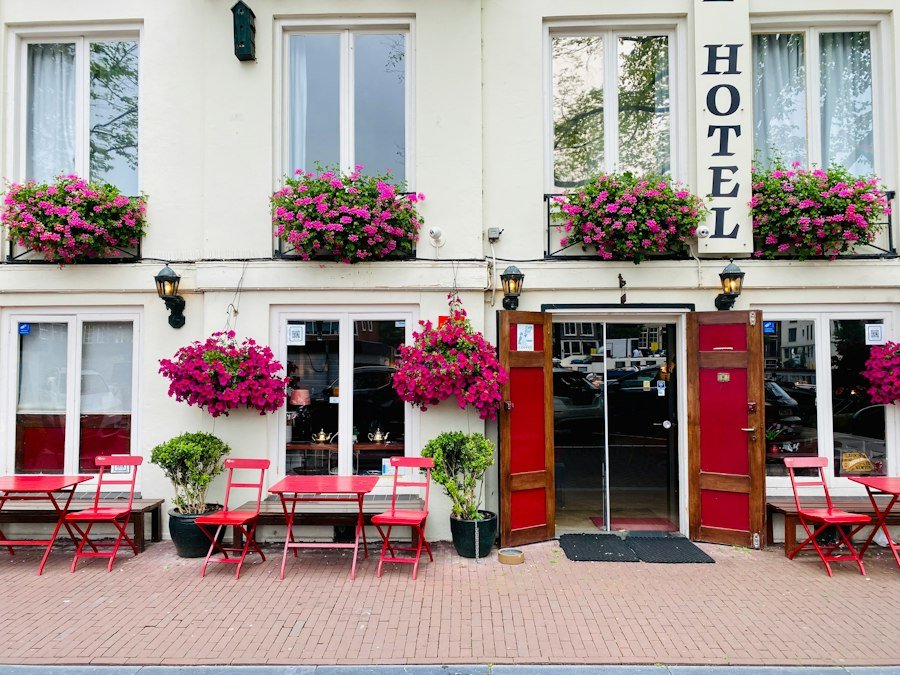
Finding affordable hotels isn’t just about stumbling upon a good price; it’s about employing smart strategies and being proactive. A bit of planning and knowing where to look can make a significant difference in your accommodation costs.
Leveraging Comparison Websites and Aggregators
Your first port of call should almost always be hotel comparison websites. Sites like Booking.com, Expedia, Hotels.com, and Kayak scour hundreds of different booking platforms and hotel sites to show you a wide range of options and prices. However, don’t stop at just one. Prices can vary slightly between aggregators, and some might have exclusive deals. It’s often a good practice to check a couple of different ones. Once you find a hotel you like, it’s also worth checking the hotel’s own website. Sometimes, hotels offer a “best price guarantee” or exclusive deals to direct bookers, and you might even get perks like free breakfast or Wi-Fi.
Being Flexible with Dates and Location
Flexibility is your superpower when trying to save money on accommodation. If your travel dates aren’t set in stone, play around with them. Traveling during the shoulder season (just before or after peak season) can often yield significantly lower prices while still offering pleasant weather and fewer crowds. Mid-week stays are usually cheaper than weekends in many destinations. Similarly, being open to staying a little outside the absolute city center can dramatically reduce costs. Many cities have excellent public transport systems, meaning you can often find a fantastic, affordable hotel a few subway stops away from the main attractions without much inconvenience. Use map views on booking sites to see hotels further out and check their public transport links.
The Power of Loyalty Programs and Credit Card Perks
If you travel frequently, even on a budget, joining hotel loyalty programs can pay off. While earning elite status might seem distant, even basic membership often grants access to member-only rates, which can be cheaper than public rates. You might also get perks like late checkout or free Wi-Fi. Similarly, certain travel credit cards offer benefits like hotel points, free night certificates, or even annual travel credits that can be applied to hotel stays, making them effectively free or heavily discounted. Always check if your existing credit cards offer any travel-related benefits you can utilize.
Understanding Price Trends and Alert Services
Hotel prices aren’t static; they fluctuate based on demand, availability, and even algorithms. Using tools that track price trends can be incredibly helpful. Some booking sites and apps offer price alert services, where you input your desired dates and destination, and they’ll notify you if the price for a particular hotel or area drops. This allows you to book when prices are low rather than just guessing. While not an exact science, general trends suggest booking too far in advance isn’t always best, nor is waiting until the absolute last minute. Often, a sweet spot exists a few weeks to a couple of months out for leisure travel.
What to Expect in Budget-Friendly Hotels

It’s important to set realistic expectations when booking an affordable hotel. “Budget” doesn’t mean dirty or unsafe, but it does mean certain luxuries or extensive amenities might be pared back. Knowing what to generally expect helps you make informed choices and avoid disappointment.
Essential Amenities Versus Nice-to-Haves
Affordable hotels typically focus on providing the essentials: a clean, comfortable bed, a private bathroom, and often basic Wi-Fi. You can usually expect fresh towels and basic toiletries. What you might not find are things like a swimming pool, a full-service restaurant on-site (though many will have a breakfast room or a small cafe), a gym, or a concierge service. Mini-bars are often absent, or stocked with just a few basic items. Room service is rare. Instead of a large, plush lobby, you might find a smaller, functional reception area. The key is to decide which amenities are non-negotiable for you. If a pool is crucial, then a very basic budget hotel might not fit the bill, but you can still find affordable options that include one.
The Importance of Reviews and Photos
Never, ever book an affordable hotel without thoroughly checking recent reviews and photos. Websites like TripAdvisor, Google Reviews, and the review sections on booking platforms are invaluable. Look for consistent themes in positive and negative feedback. Pay attention to comments about cleanliness, noise levels, bed comfort, and the helpfulness of staff. Do the photos uploaded by previous guests match the official photos? Sometimes, official photos can be outdated or strategically shot. Reviews can also highlight hidden gems – places that are basic but exceptionally well-maintained and offer outstanding service for the price. They can also warn you away from places that look decent online but are actually run-down or problematic.
Location Beyond the Main Attractions
As mentioned before, a slightly out-of-the-way location is often the secret to an affordable rate. However, “out-of-the-way” doesn’t have to mean inconvenient. Research the public transportation options from the hotel to the places you plan to visit. Is there a bus stop or subway station nearby? How long will the commute be? Check if the neighborhood itself feels safe, especially if you plan to walk around at night. Sometimes, staying in a less touristy but well-connected area can offer a more authentic local experience with access to cheaper restaurants and shops, adding to your overall savings. Use Google Maps’ street view feature to virtually walk around the area before you book.
Noise Levels and Room Specifics
In budget hotels, especially in urban areas, noise can sometimes be a factor. Rooms facing busy streets, or those near elevators or common areas, might be louder. If you’re a light sleeper, consider requesting a room on a higher floor or away from potential noise sources when you check in. Also, pay attention to room types. Some “affordable” rates might be for smaller rooms, or rooms with less desirable views. If you have specific needs, like wanting a window that opens, or a shower over a bath, it’s always worth checking with the hotel directly before booking, or noting it in your reservation.
Specific Types of Travelers and Budget Options
Different travel styles often lend themselves to particular types of budget accommodations. Tailoring your search to your specific needs can unlock even better deals and more suitable experiences.
Solo Travelers and Backpackers
For solo adventurers, hostels are often the go-to. Modern hostels offer a range of options, from mixed-gender dorms to female-only dorms, and increasingly, private rooms. Beyond the cost savings, hostels excel at fostering a social atmosphere, making it easy to meet other travelers and find companions for exploring. Many organize free walking tours, pub crawls, or communal dinners. Boutique hostels in particular combine stylish design with affordability. Don’t overlook guesthouses either, which can offer a similar community feel, often run by welcoming locals.
Families Traveling on a Budget
Families have unique needs. Space is often a premium, and cooking facilities can save a fortune on dining out. Extended-stay hotels with kitchenettes are fantastic for families. Look for suites that offer separate sleeping areas or pull-out sofas. Vacation rentals (like those found on Airbnb or Vrbo) can also be highly cost-effective for families, providing multiple bedrooms, a full kitchen, and sometimes even laundry facilities, making longer trips much more manageable. When booking traditional hotels, always check if children stay free and if there are any charges for extra beds or cribs. Some chains, like certain Hampton Inn or Holiday Inn Express properties, offer complimentary breakfast, which is a huge money-saver for families.
Business Travelers Needing Value
Business travel often demands reliability, good Wi-Fi, and a convenient location. Many mid-range hotel chains, like Hampton Inn, Holiday Inn Express, or Courtyard by Marriott, offer consistent quality, free breakfast, and dedicated workspaces in rooms, all at a reasonable price point. These chains often have good loyalty programs that accrue points quickly for frequent travelers. Look for hotels with easy access to public transport or major highways if you’ll be commuting to meetings. Consider hotels in business districts that might be cheaper on weekends. Sometimes, choosing a hotel slightly further from the absolute city center but with excellent transit links can save significantly without impacting productivity.
Couples Looking for a Romantic Getaway
“Affordable” and “romantic” can absolutely coexist. Instead of a large, impersonal hotel, consider boutique hotels or charming guesthouses. These often offer unique character, a more intimate atmosphere, and personalized service, sometimes at a lower price point than big chains. Look for deals during off-peak seasons or mid-week. Consider destinations known for being more budget-friendly. A cozy B&B in a scenic smaller town can be far more romantic and affordable than a luxury hotel in a bustling metropolis. The key is to prioritize atmosphere and experience over traditional luxury amenities.
Making the Most of Your Affordable Stay
| Hotel Name | Location | Average Nightly Rate | Room Types | Guest Rating | Special Features |
|---|---|---|---|---|---|
| Budget Inn | New York City | 85 | Single, Double | 4.0 | Free Wi-Fi, Breakfast Included |
| Comfort Stay | Los Angeles | 90 | Single, Double, Suite | 4.2 | Pool, Free Parking |
| Traveler’s Lodge | Chicago | 75 | Single, Double | 3.8 | Pet Friendly, Free Wi-Fi |
| City Budget Hotel | Miami | 80 | Single, Double, Suite | 4.1 | Beach Access, Breakfast Included |
| Economy Suites | San Francisco | 95 | Double, Suite | 4.3 | Kitchenette, Free Wi-Fi |
Once you’ve booked your budget-friendly hotel, there are still ways to maximize your experience and ensure a smooth, enjoyable trip. A little foresight can go a long way.
Communicating with the Hotel Before Arrival
Don’t hesitate to reach out to the hotel directly before your arrival, especially if you have specific requests or concerns. Want a quiet room? A room on a higher floor? Need to know about early check-in or late check-out possibilities? Sending a polite email a few days in advance or giving them a quick call can often get your requests noted. This is also a good time to reconfirm your booking details and ask about any specific amenities you might need, like hairdryer availability or adapter types if you’re traveling internationally. Clear communication can prevent many minor frustrations upon arrival.
Packing Smart to Avoid Extra Costs
Packing strategically can save you money and hassle at an affordable hotel. If you’re staying in a place without extensive amenities, bring your own toiletries if you have specific preferences. A portable travel dryer, a small universal adapter, and even a travel mug for coffee can be useful. If your hotel doesn’t offer free bottled water, consider bringing a reusable water bottle to refill. For extended stays, a small laundry kit can help you avoid expensive hotel laundry services. Remember that extra luggage fees, even for checked bags, can quickly erode your accommodation savings, so pack light if possible.
Utilizing Hotel Staff and Local Knowledge
Even in the most basic hotels, the staff are often a goldmine of local information. Don’t be shy about asking for recommendations for affordable restaurants, local markets, or public transport routes. They often know the best hidden gems and can help you avoid tourist traps. They might also be able to advise on safe areas to explore or give directions to specific attractions. A friendly demeanor and a simple “hello” can open doors to invaluable insights that enhance your trip and save you money.
Being Mindful of Incidental Charges
While your room rate might be low, be aware of potential incidental charges. This could include parking fees, resort fees (especially common in some areas of the US), city taxes, or charges for using certain facilities. Always clarify these when booking or checking in. If you plan to use hotel services like laundry or the mini-bar, understand their pricing beforehand. Small charges can quickly add up, so being mindful and asking questions can help you stick to your budget.
Finding affordable hotels is less about luck and more about strategy, flexibility, and knowing your options. With a bit of research and an open mind, you can absolutely find comfortable, convenient, and budget-friendly places to stay, no matter where your travels take you.