

It’s absolutely possible to travel more without emptying your bank account. The core idea is to shift your mindset from expensive, traditional trips to more intentional, budget-friendly choices. By focusing on smart planning, flexible travel, and being open to different experiences, you can significantly reduce your travel costs and open up a world of new adventures.
Smart Planning: The Foundation of Budget Travel
The biggest savings often come before you even leave home. Strategic planning isn’t about being rigid; it’s about being informed and making choices that stretch your dollar further.
Flexibility is Your Friend
Being flexible with your dates and destinations is perhaps the most powerful tool in your budget travel arsenal. Flight and accommodation prices fluctuate wildly, and a slight shift in your itinerary can save you hundreds.
Travel During Off-Peak Seasons
High season means high prices for everything – flights, hotels, and even local activities. If you can travel during the shoulder seasons (just before or after peak) or even the true off-season, you’ll find significantly better deals. Think about places like Europe in spring or fall instead of summer, or Southeast Asia during its slightly rainier (but still beautiful) periods. You’ll not only save money but also experience fewer crowds, leading to a more enjoyable trip. Do your research on a destination’s specific peak times; sometimes, a small festival or holiday can unexpectedly inflate prices.
Consider Weekday vs. Weekend Travel
Flights are often cheaper on Tuesdays, Wednesdays, and Saturdays. Similarly, staying at hotels during the week can sometimes offer better rates, especially in business districts. If you’re planning a city break, try to fly out on a Tuesday and return on a Saturday or Sunday for potential savings. This might require a little more negotiation with work, but the financial benefits can be substantial.
Be Open to Different Destinations
Instead of fixating on one dream destination that might be expensive, be open to alternatives. If Paris is out of budget, consider Lisbon, Budapest, or Krakow – all beautiful European cities with a lower cost of living. Use flight search engines with a “search everywhere” or “explore” option to see where you can fly cheaply from your home airport. Sometimes, the best trips are to places you never initially considered.
Strategic Booking: Flights and Accommodation
Once you have your flexible dates and potential destinations, it’s time to book smart. This involves a bit of research and understanding how pricing works.
Master Flight Search Engines
Don’t just stick to one airline or one search engine. Use aggregators like Google Flights, Skyscanner, and Kayak to compare prices across multiple airlines and online travel agencies. Always check a few different ones, as they don’t always show the exact same results. Look for the “calendar view” or “price graph” features to quickly spot the cheapest days to fly.
Set Up Price Alerts
Most flight search engines allow you to set up email alerts for specific routes. When the price drops, you’ll be notified. This is especially useful if you’re planning a trip several months in advance. Prices can fluctuate daily, so getting an alert can help you snag a good deal.
Consider Alternative Airports
Flying into or out of smaller, regional airports can sometimes be significantly cheaper than major hubs. It might require a slightly longer bus or train journey to your final destination, but the savings on the flight often outweigh the extra ground transport cost. For example, flying into London Stansted or Luton instead of Heathrow can be cheaper, even with the added train fare into central London.
Look for Budget Airlines (with caution)
Budget airlines like Ryanair, EasyJet, Spirit, and Frontier can offer incredibly cheap fares. However, be very aware of their extra fees for checked baggage, seat selection, and even printing your boarding pass at the airport. Always read their baggage policies carefully and try to travel with just a personal item or a small carry-on to avoid surprises. Sometimes, after all the add-ons, a full-service airline might end up being a similar or even cheaper price.
Diverse Accommodation Choices
Hotels aren’t your only option, and often not the cheapest. Explore a range of accommodation types to find the best value.
Hostels: Not Just for Backpackers
Hostels have evolved a lot. While dorm rooms are still the most budget-friendly option, many hostels now offer private rooms with en-suite bathrooms, often at a fraction of the cost of a traditional hotel. They’re also great for meeting other travelers and often organize free or cheap activities. Look for reputable chains or highly-rated independent hostels on sites like Hostelworld.
Guesthouses and Local Stays
In many parts of the world, particularly Asia, Latin America, and Eastern Europe, guesthouses or family-run B&Bs offer comfortable, authentic stays at a lower price point than international hotel chains. You often get a more personal experience and local recommendations. Booking sites like Booking.com have a wide selection, but sometimes you can find even better deals by walking in or booking directly with the property.
Airbnb and Vacation Rentals
Airbnb, VRBO, and similar platforms can be fantastic for budget travel, especially if you’re traveling as a group or want access to a kitchen. Having a kitchen allows you to cook some of your meals, saving a lot on dining out. Always check reviews, communicate clearly with hosts, and factor in cleaning fees and service charges when comparing prices. Be aware that some cities have restrictions or higher taxes on short-term rentals, so research the local regulations.
House Sitting or Swapping
For longer trips, house sitting (taking care of someone’s home and pets while they’re away) or house swapping (exchanging homes with another traveler) can eliminate accommodation costs entirely. Websites like TrustedHousesitters.com connect homeowners with sitters. This requires a different level of commitment and planning but can be incredibly rewarding.
Cutting Costs While on the Road
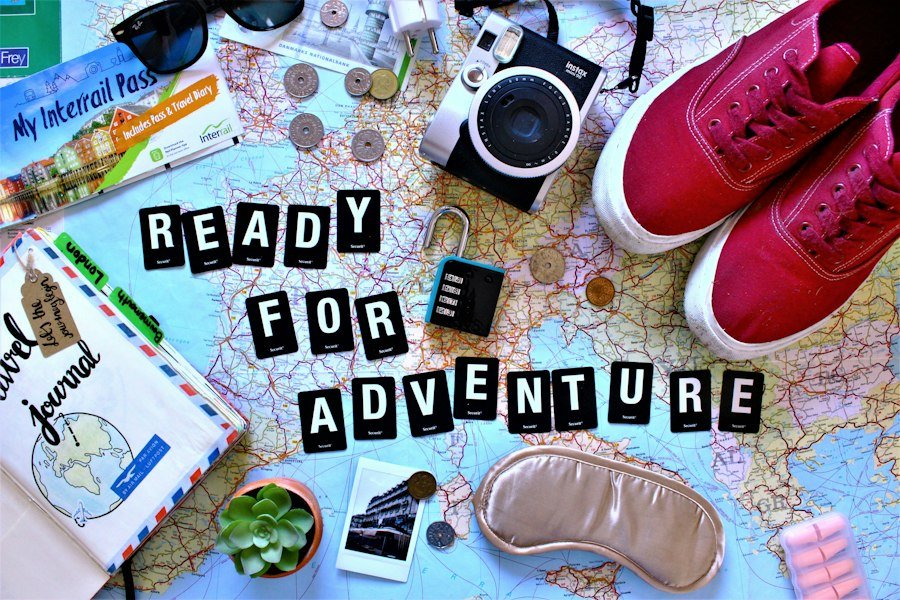
Once you’ve arrived, there are still plenty of ways to keep your expenses low without sacrificing the quality of your experience.
Savvy Transportation
Getting around a new place doesn’t have to be expensive. Prioritize public transport and walking.
Embrace Public Transportation
Buses, trains, and subways are almost always cheaper than taxis or ride-shares. Research the public transport system before you arrive. Many cities offer multi-day passes or travel cards that can save you money if you plan on using public transport frequently. Walking is also free and a fantastic way to discover a city’s hidden gems and get some exercise.
Long-Distance Buses and Trains
For inter-city travel, especially in Europe, Southeast Asia, or South America, long-distance buses are often significantly cheaper than flights or trains, though they take longer. Overnight buses can also save you the cost of a night’s accommodation. Websites like Omio or Busbud can help you compare options.
Consider Biking
Many cities worldwide offer bike-sharing programs that are cheap or even free for short periods. This is a great way to explore a city at your own pace and often get to places public transport doesn’t reach easily.
Eating on a Budget
Food is one of the biggest variable expenses when traveling. With a little effort, you can eat well without overspending.
Cook Your Own Meals
If your accommodation has a kitchen (hostel, Airbnb, guesthouse), utilize it! Buying groceries from local markets or supermarkets and cooking some of your meals will save you a tremendous amount compared to eating out for every meal. It’s also a great way to experience local ingredients.
Prioritize Local Eateries and Street Food
Avoid tourist trap restaurants near major attractions, which often have inflated prices and mediocre food. Venture a few blocks away into local neighborhoods. Street food is often incredibly delicious, authentic, and very affordable in many parts of the world. Look where the locals are eating – that’s usually a good sign.
Pack Snacks and a Reusable Water Bottle
Bring non-perishable snacks from home or buy them at a local grocery store rather than paying inflated prices at convenience stores or tourist shops. A reusable water bottle is a must; fill it up from safe sources or filtered taps to avoid buying countless plastic bottles. Many cafes and airports now have water refilling stations.
Lunch Deals and Happy Hours
In some countries, restaurants offer special lunch menus or “plat du jour” that are much cheaper than dinner prices for similar dishes. Keep an eye out for these. Similarly, happy hour deals on drinks can save you a bit if you enjoy a pre-dinner cocktail.
Free and Cheap Activities
You don’t need to pay for every single attraction to have a rich travel experience.
Embrace Free Attractions
Many major cities offer a wealth of free attractions: parks, museums with free entry days/times, walking tours (often tip-based), public art installations, and simply wandering through vibrant neighborhoods. Check the local tourism board’s website for free events and activities during your visit.
Look for Discount Passes
If you plan on visiting many paid attractions, a city pass or museum pass might save you money. Do the math to see if it makes sense for your itinerary – sometimes, it’s cheaper to pay individually if you only plan to visit a few places.
Utilize Free Walking Tours
Many cities offer free walking tours (usually tip-based) that are a fantastic way to get an overview of the city, learn about its history, and get local recommendations. It’s also a great way to meet other travelers.
Attend Free Local Events
Check local event listings for free concerts, markets, festivals, or cultural performances happening during your visit. These can provide a truly authentic and memorable experience.
Alternative Travel Styles

Sometimes, changing how you travel can unlock significant savings and unique experiences.
Embrace Slower Travel
Instead of rushing through multiple cities in a week, consider spending longer in fewer places. This reduces transportation costs between destinations and allows you to settle in, find cheaper local spots, and often get better weekly or monthly rates on accommodation.
House Sitting and Volunteering
As mentioned earlier, house sitting can completely eliminate accommodation costs. Similarly, volunteering opportunities through organizations like WWOOF (World Wide Opportunities on Organic Farms) or Workaway allow you to exchange a few hours of work per day for free accommodation and sometimes meals. This is a fantastic way to immerse yourself in a local culture and travel on a very tight budget for extended periods.
Digital Nomad Lifestyle (for some)
If your job allows for remote work, becoming a digital nomad can offer incredible flexibility. You can choose to live in countries with a lower cost of living, drastically reducing your monthly expenses while still earning your regular income. This requires a stable internet connection and discipline but can be a game-changer for long-term travel.
Budget-Friendly Regions
Some parts of the world are simply more affordable to travel in than others.
Southeast Asia
Countries like Thailand, Vietnam, Cambodia, Laos, Indonesia, and the Philippines offer incredible value for money. You can find cheap accommodation, delicious street food for a few dollars, and affordable transport. Your daily budget will stretch much further here than in, say, Western Europe or North America.
Eastern Europe
Cities like Budapest, Prague, Krakow, Sofia, and Belgrade provide stunning architecture, rich history, and vibrant culture at a fraction of the cost of their Western European counterparts. Food, drink, and accommodation are all very affordable.
Latin America
Mexico, Central America (Guatemala, Nicaragua, Honduras), and parts of South America (Colombia, Bolivia, Peru, Ecuador) can be very budget-friendly. You’ll find incredible natural beauty, ancient ruins, and lively cities where your money goes a long way, especially for food and local transport.
Southern Europe (Off-Peak)
While generally more expensive than Eastern Europe, countries like Portugal, Spain, and Greece can still be very affordable if you travel during the shoulder seasons (spring or fall) and stick to local guesthouses and restaurants.
Smart Money Management
Being smart with your money isn’t just about saving, but also about avoiding unnecessary fees and making your money work for you while abroad.
Choose the Right Credit/Debit Cards
Bank fees can quickly add up. Research travel-friendly credit and debit cards that offer:
No Foreign Transaction Fees
This is crucial. Many banks charge 2-3% on every purchase made in a foreign currency. A card with no foreign transaction fees will save you a lot.
Fee-Free ATM Withdrawals
Some debit cards offer fee-free international ATM withdrawals, or at least reimburse ATM fees. This allows you to get local currency without paying your bank’s charges. Be aware that the local ATM might still charge a fee, but your bank won’t add one on top. Always decline the ATM’s offer to convert to your home currency (“dynamic currency conversion”) and choose to be charged in the local currency; your bank will almost always offer a better exchange rate.
Backup Cards
Always carry at least two different cards (one credit, one debit) from different banks, and keep them separate. If one card is lost, stolen, or blocked, you’ll have a backup.
Track Your Spending
It’s easy to lose track of expenses when you’re caught up in the excitement of travel.
Use Budgeting Apps
Apps like Mint, YNAB (You Need A Budget), or even a simple spreadsheet can help you track your spending daily. Set a daily budget and try to stick to it. This awareness alone can prevent overspending.
Keep a Buffer Fund
Always have a small emergency fund set aside. Unexpected costs can arise – a missed flight, medical emergency, or sudden change in plans. Having a buffer means you won’t have to dip into your main savings or go into debt.
Be Mindful of Exchange Rates
While you can’t control exchange rates, you can be smart about how you handle currency.
Avoid Airport Currency Exchange
These kiosks almost always offer the worst exchange rates. It’s better to withdraw cash from an ATM at your destination (with a fee-free card, if possible) or exchange a small amount at your home bank before you leave, if necessary.
Pay in Local Currency
When using your credit card, if given the option, always choose to be charged in the local currency. Letting the foreign merchant or ATM convert to your home currency (Dynamic Currency Conversion) means they use their own, often less favorable, exchange rate. Let your bank handle the conversion; it will almost always be better.
Finding Deals and Being Creative
| Strategy | Description | Estimated Savings | Tips |
|---|---|---|---|
| Book Flights in Advance | Purchasing tickets several weeks or months ahead to get lower prices. | Up to 30% off last-minute fares | Use fare comparison websites and set price alerts. |
| Travel During Off-Peak Seasons | Visiting destinations when fewer tourists are around. | 20-50% cheaper accommodation and flights | Research local low seasons and avoid holidays. |
| Use Budget Accommodation | Staying in hostels, guesthouses, or shared rentals. | Save 40-70% compared to hotels | Check reviews and consider location for convenience. |
| Travel Light | Avoid checked baggage fees by packing carry-on only. | Save 10-50 per flight on baggage fees | Pack versatile clothing and essentials only. |
| Use Public Transportation | Opt for buses, trains, or metro instead of taxis. | Save 50-80% on local travel costs | Buy day passes or travel cards for discounts. |
| Cook Your Own Meals | Prepare food instead of eating out for every meal. | Save 30-60% on daily food expenses | Shop at local markets and use hostel kitchens. |
| Use Travel Reward Programs | Earn points or miles to reduce travel costs. | Varies; can cover entire flights or stays | Sign up for credit cards and loyalty programs. |
| Work or Volunteer Abroad | Exchange work for accommodation or meals. | Save 100% on lodging and food | Look for reputable programs like WWOOF or Workaway. |
Sometimes, the best way to save is to be a bit opportunistic and think outside the box.
Utilize Deal Websites and Error Fares
Keep an eye on deal websites that track flight sales and error fares (mistakes by airlines that lead to incredibly cheap tickets). Sites like Scott’s Cheap Flights (now Going), Secret Flying, or The Flight Deal can alert you to these opportunities. You need to be flexible and ready to book quickly, as these fares don’t last long.
Travel Hacking (Points and Miles)
For some, collecting credit card points and airline miles can lead to free flights and hotel stays. This requires careful research, understanding loyalty programs, and responsible credit card use. It’s a more advanced strategy but can lead to significant savings for frequent travelers. Start with cards that offer generous sign-up bonuses.
Embrace The Power of “No”
It can be hard to say no to experiences when you’re traveling, but not every opportunity needs to be taken. Do you really need that souvenir? Is that expensive guided tour worth it, or could you explore the area on your own or with a cheaper option? Prioritize experiences that are truly important to you and be okay with skipping others.
Travel with a Purpose
Consider travel that has a built-in budget element.
Work Exchange Programs
Beyond WWOOF and Workaway, there are many other work exchange programs where you can trade skills (e.g., teaching English, hospitality work, creative tasks) for accommodation and sometimes food. This is a deeper immersion experience that drastically cuts down costs.
Volunteer Tourism
While some volunteer programs can be expensive, many reputable organizations offer affordable options, especially if you focus on local NGOs directly rather than large international organizations. This allows you to give back while experiencing a new culture on a budget.
Study Abroad
For students, studying abroad can be a fantastic way to live in a foreign country for an extended period, often with student discounts on transport and attractions, and access to campus facilities. While tuition costs are involved, the daily living expenses can be managed very affordably.
By integrating these strategies into your travel planning and execution, you’ll find that traveling more for less money isn’t just a pipe dream – it’s an achievable reality. It simply requires a bit more intentionality, flexibility, and a willingness to explore options beyond the traditional tourist path. Happy travels!