
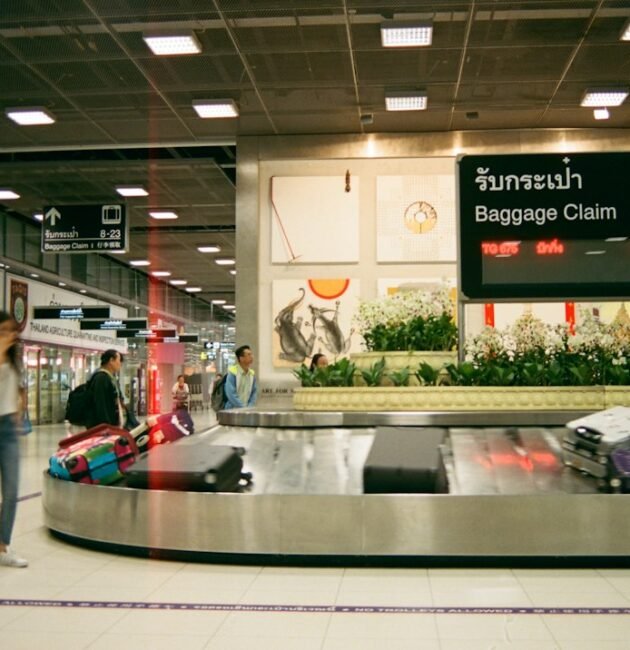
Hey there, fellow traveler! Looking to make your airport and flight experiences a little less “argh” and a lot more “ahhh”? You’ve come to the right place. We’re about to dive into some practical, real-world travel hacks that’ll help you navigate the chaos, save some cash, and maybe even enjoy the journey. Forget those overly cheerful, generic tips – we’re talking actual strategies that seasoned travelers use. Let’s get straight to it: the best airport and flight travel hacks involve meticulous planning, smart packing, and leveraging technology to minimize stress and maximize comfort.
Pre-Flight Prep: The Foundation of a Smooth Trip
A stress-free travel day doesn’t just happen; it’s built on solid preparation. Think of it as laying the groundwork for a successful mission. The more you sort out before you even leave your house, the fewer surprises you’ll encounter.
Booking Smart for Better Value
It’s not just about finding the cheapest ticket; it’s about finding the smartest ticket. There’s a delicate balance between price, convenience, and comfort.
Incognito Browsing and VPN Use
You’ve probably heard this one, but it bears repeating because it’s genuinely effective. Airlines and online travel agencies (OTAs) often use cookies to track your browsing behavior. If they see you repeatedly checking the same flight, they might nudge the price up, assuming you’re keen. To combat this, always search for flights in an incognito or private browsing window. This prevents websites from storing cookies that track your activity. For an extra layer of protection, consider using a Virtual Private Network (VPN). A VPN can make it appear as though you’re browsing from a different geographical location. Prices can vary significantly based on the country where the search originates. For example, a flight from London to New York might be cheaper if you search from a server in a different European country rather than the UK itself. Experiment with a few locations to see if there’s a noticeable difference. It takes a few extra clicks but can save you a decent chunk of change, especially on international routes.
Flexible Dates and Times
If your schedule allows for it, being flexible with your travel dates and times is arguably the most impactful way to save money. Mid-week flights (Tuesdays, Wednesdays, and Thursdays) are almost invariably cheaper than weekend travel. Similarly, early morning flights or late-night red-eyes often come at a lower price point, mainly because they’re less convenient for most people. Play around with the “flexible dates” option on flight comparison websites. Sometimes, shifting your departure or return by just one day can result in hundreds of dollars in savings. Consider flying out on a Monday instead of a Sunday, or returning on a Thursday instead of a Friday. This flexibility also extends to the time of day; if you can tolerate a 6 AM departure, you’ll likely pay less than for a noon flight.
Connecting Flights and Layovers
Direct flights are great for convenience, but they often come with a premium price tag. If you’re not in a rush and want to save money, embrace connecting flights. Sometimes, a layover of a few hours can cut the ticket price significantly. Just make sure you allow ample time for your connection, especially if you’re changing airlines or terminals. A minimum of 2-3 hours is usually a safe bet for international connections, and 1.5-2 hours for domestic. Be wary of overly short connection times, as a slight delay on your first leg could cause you to miss your second. Another strategy is “skiplagging” or “hidden city ticketing,” where you book a flight with a layover at your actual destination and then simply get off there, forfeiting the last leg. While this can save money, airlines generally frown upon it and it can lead to issues like checked baggage going to the final destination or your frequent flyer account being penalized. It’s a strategy best used with caution and only if you’re traveling with carry-on luggage.
Documentation and Digital Copies
In the digital age, being prepared means having backups of everything important. It’s about more than just your passport.
Digital and Physical Backups of Important Documents
Imagine losing your passport or boarding pass right before your flight. A nightmare, right? To avoid this, always have digital copies of all your essential travel documents: passport, visa (if applicable), flight tickets, hotel reservations, and travel insurance details. Store them in a cloud service (like Google Drive or Dropbox), email them to yourself, and maybe even share them with a trusted friend or family member. Better yet, save them offline on your phone or a USB stick. In addition to digital copies, consider making physical photocopies. Keep these separate from your originals. For example, originals in your carry-on, photocopies in your checked bag (if you have one), and digital copies accessible on your phone. If your phone battery dies or you lose your bag, you still have options. This redundancy might seem excessive until that one time it saves your trip.
Online Check-in and Mobile Boarding Passes
This is a no-brainer for efficiency. Most airlines allow online check-in 24-48 hours before departure. Do it. This saves you valuable time at the airport by letting you bypass long check-in lines, especially if you’re traveling with just a carry-on. Once checked in, download your mobile boarding pass to your phone. Many airlines have dedicated apps that make this seamless. Screenshots of your boarding pass are also a good idea in case you lose internet access or the app glitches. This means one less physical item to keep track of and one less queue to stand in. It also often gives you a chance to select your seat, sometimes for free, if you didn’t do so during booking.
Airport Navigation: Mastering the Terminal

The airport can be a stressful environment, but with a few smart moves, you can glide through security and find your gate with ease.
Security Checkpoint Strategies
The security line is often the biggest bottleneck. Being prepared can cut your time significantly.
Pre-Packed Security Items
Think about what you’ll need to remove at security before you even get there. Laptops, tablets, and liquids (in a clear, quart-sized bag) are almost always coming out. Position these items at the top of your carry-on or in an easily accessible external pocket. When you’re approaching the security line, start removing your belt, watch, and any metal items from your pockets and place them in your personal item or jacket before you even get to the bins. Wear slip-on shoes if possible, as they’re much quicker to take off and put back on than lace-ups. If you have any empty water bottles, take them out to be filled after security. The goal is to minimize the amount of fumbling you do at the scanner, keeping the line moving for everyone and reducing your stress.
TSA PreCheck, Global Entry, and CLEAR
If you travel frequently, investing in programs like TSA PreCheck (for domestic US flights), Global Entry (for international arrivals into the US, which includes PreCheck), or CLEAR can be a game-changer. These programs allow you to bypass the regular security lines, often letting you keep your shoes, belt, and light jacket on, and your laptop in its bag. The upfront cost might seem steep, but the time saved and stress reduced over multiple trips can be invaluable. For international travelers, equivalent programs exist in many countries (e.g., NEXUS for Canada/US, E-Gate in the UK). Check if your credit card offers a reimbursement for these application fees – many premium travel cards do.
Navigating the Terminal Efficiently
Knowing your way around, or at least having a plan, can save you from frantic dashes.
Airport Maps and Gate Information
Before you even leave for the airport, look up a map of your departure terminal. Familiarize yourself with the layout, especially the location of your gate, security checkpoints, and any amenities you might want to use (like lounges or specific restaurants). Many airline apps and airport websites provide interactive maps. Once you arrive at the airport, keep an eye on the departure boards. Gates can sometimes change, so don’t rely solely on your boarding pass. Confirm your gate number and departure time. If you have a layover, immediately locate your connecting gate upon arrival and check the status of your next flight. Knowing where you’re going eliminates guesswork and rushing.
Lounges for Layovers and Delays
Airport lounges aren’t just for first-class passengers anymore. Many credit cards offer lounge access, either through specific airline lounges or networks like Priority Pass. If you have a long layover, or if your flight is delayed, a lounge can be a sanctuary. They typically offer comfortable seating, complimentary food and drinks (including alcohol), Wi-Fi, and sometimes even showers. The peace and quiet alone can be worth the access fee or credit card annual fee. Even if you don’t have a credit card that grants access, some lounges allow you to purchase a day pass. Do a quick calculation: if you’re going to spend money on overpriced airport food, coffee, and mediocre Wi-Fi, a lounge pass might actually offer better value and a significantly more pleasant experience.
In-Flight Comfort and Convenience

Once you’re on the plane, the mission shifts from getting there to making the journey as comfortable as possible.
Smart Packing for Onboard Needs
What you bring in your carry-on can make or break your flight experience.
The Personal Item Powerhouse
Don’t underestimate the power of your personal item (the bag that fits under the seat in front of you). This is where your in-flight essentials should live. Your critical documents, medications, a comfort kit (earplugs, eye mask, neck pillow), entertainment (books, loaded tablet), snacks, and a refillable water bottle should all be easily accessible without having to root through the overhead bin. This keeps everything you might need during the flight within arm’s reach. Think about what you’d need if your checked bag (or even your main carry-on) got delayed or lost. That’s what should be in your personal item.
Layering Clothing and Comfort Items
Airplane cabins can be notoriously temperamental with their temperature. One minute you’re sweating, the next you’re freezing. The best defense is to dress in layers. A t-shirt, a long-sleeved shirt, and a light jacket or cardigan will allow you to adjust comfortably. A travel-sized blanket or a large scarf can also double as a pillow or extra warmth. Don’t forget compression socks, especially on long flights, to help with circulation and prevent swelling. A neck pillow, whether inflatable or memory foam, can be a lifesaver for getting some rest. Earplugs or noise-canceling headphones are essential for blocking out engine noise and chatty passengers.
Staying Hydrated and Fed
Airplane air is incredibly dry, and airport food is often expensive and unhealthy.
Reusable Water Bottle
This is one of the simplest yet most effective hacks. Bring an empty, reusable water bottle through security. Once you’re past the checkpoint, you can fill it up at a water fountain or even ask a restaurant or lounge to fill it for you. This saves you money on overpriced bottled water and helps you stay hydrated. Staying well-hydrated is crucial for combating jet lag and general fatigue, especially on longer flights. Aim to drink more water than you normally would.
BYO Snacks and Meals
Airport food is often expensive, bland, and offers limited healthy options. Pack your own snacks! Granola bars, nuts, fruit (like apples or bananas), sandwiches, and even salads are perfectly fine to bring through security (just remember the liquid rules for things like yogurt or dressings). This allows you to eat what you like, when you like, and saves you a significant amount of money. If you have dietary restrictions, packing your own food is even more important to ensure you have suitable options.
Entertainment and Connectivity
Beat boredom and stay connected, or disconnect, depending on your preference.
Offline Entertainment
While many airlines offer in-flight entertainment, it can be hit-or-miss. Don’t rely on it. Before your flight, download movies, TV shows, podcasts, audiobooks, and e-books to your phone or tablet. Make sure they are fully downloaded and accessible offline. This guarantees you’ll have something to keep you occupied, even if the in-flight entertainment system isn’t working or if your airline doesn’t offer it. A portable power bank is also essential to keep your devices charged, as not all seats have working power outlets.
In-Flight Wi-Fi Considerations
In-flight Wi-Fi is becoming more common, but it’s often expensive and can be unreliable. If staying connected is crucial for work or personal reasons, check the airline’s Wi-Fi policies and pricing before you fly. Sometimes, purchasing a full-flight pass can be more cost-effective than hourly rates. However, for most basic communication, consider whether it’s truly necessary. Embrace the opportunity to disconnect and relax, or use your pre-downloaded content. If you absolutely need to work, ensure your tasks can be done offline as much as possible, as bandwidth can be limited.
Arrival and Beyond: Seamless Transitions
The journey doesn’t end when the plane lands. Making a smooth transition from airport to destination is key.
Efficient Disembarkation and Customs
Getting off the plane and through the airport can still be a hurdle.
Strategic Seat Selection
When booking your flight, consider seat selection for a quicker exit. If you’re in a hurry to make a connection or beat the crowd to customs, aim for a seat closer to the front of the plane. Aisle seats are generally preferred for ease of access to the lavatory and stretching, but a window seat can be great for sleeping or enjoying the view. For domestic flights, choosing a seat on the left side of the plane (when facing forward) can sometimes mean you exit on the side that allows for better views of the terminal as you taxi in.
Mobile Passport Control and Kiosks
Many countries and airports now offer options to speed up the customs and immigration process. In the US, for example, the Mobile Passport Control (MPC) app allows eligible travelers to submit their passport and customs declaration information digitally before arriving. This can significantly reduce wait times. Automated Passport Control (APC) kiosks are also common and allow travelers to scan their own passports and submit declarations. Familiarize yourself with the options available at your destination airport. Having all your declaration forms pre-filled or ready on an app can make a huge difference in how quickly you clear the airport.
Ground Transportation Hacks
Getting from the airport to your final destination doesn’t have to be a rip-off.
Research Transportation Options in Advance
Before you land, know how you’re getting to your hotel or final destination. Research available options: public transport (trains, buses, subways), ride-sharing services (Uber, Lyft), taxis, or airport shuttles. Compare costs, travel times, and convenience. Often, public transport is the most economical option, but a ride-share might be quicker if you have a lot of luggage or are in a group. Having this plan in place saves you from being overwhelmed upon arrival and potentially overpaying for a taxi. Also, know the typical fare ranges so you can spot if a taxi driver is trying to overcharge you.
Pre-Booking Transfers and Avoiding Scams
For certain destinations or late-night arrivals, pre-booking an airport transfer can provide peace of mind. Many hotels offer shuttle services, or you can book a reputable private car service. Be wary of unsolicited offers from drivers inside the terminal; always go to official taxi stands or designated ride-share pick-up points. Scams involving unofficial taxis or drivers pretending to be your pre-booked service are unfortunately common. Having your transport confirmed and knowing the legitimate pick-up procedure will help you avoid these pitfalls.
Post-Travel Wisdom: Learning and Adapting
| Hack Category | Tip | Benefit | Estimated Savings/Time |
|---|---|---|---|
| Booking | Use incognito mode to avoid price hikes based on search history | Lower ticket prices | Up to 15% cost savings |
| Booking | Book flights on Tuesdays or Wednesdays | Cheaper fares | Average 10-20% cheaper |
| Check-in | Check in online 24 hours before departure | Better seat selection and avoid airport queues | Save 15-30 minutes |
| Baggage | Use a carry-on only to avoid checked baggage fees | Save baggage fees and time at baggage claim | Up to 50 minutes saved + fee avoided |
| Airport | Arrive 2 hours early for domestic, 3 hours for international flights | Reduce stress and allow time for security | Less chance of missing flight |
| Security | Wear slip-on shoes and avoid belts/jewelry | Faster security screening | Save 5-10 minutes |
| Airport Lounge | Use credit cards that offer free lounge access | Comfort and free snacks/drinks | Value up to 50 per visit |
| Flight | Bring your own snacks and refillable water bottle | Avoid expensive airport and onboard food | Save 10-20 per trip |
| Flight | Choose seats near the wing for less turbulence | More comfortable flight experience | Improved comfort |
| Flight | Set flight alerts for price drops | Book at lowest possible fare | Up to 30% savings |
Every trip offers lessons. Reflecting on them helps you refine your approach for next time.
Utilizing Feedback and Loyalty Programs
Smart travelers turn every journey into an opportunity for future improvements.
Feedback for Airlines and Airports
Did something go exceptionally well? Or terribly wrong? Provide feedback to the airline or airport. Many airlines have customer service channels on social media that can be surprisingly responsive. Constructive feedback, even complaints, can sometimes result in compensation, vouchers, or at the very least, an acknowledgement and a chance for improvement. Compliments are also appreciated and can help highlight good service. This feedback loop helps shape future travel experiences for everyone.
Maximizing Loyalty Programs and Credit Card Perks
If you’re not already, sign up for frequent flyer programs with airlines you regularly use. Even if you don’t fly often, the points can accumulate over time and lead to upgrades, free flights, or lounge access. Pay attention to how partner airlines can contribute to your points balance. Similarly, many travel-focused credit cards offer excellent perks like free checked bags, priority boarding, lounge access, travel insurance, and bonus points on travel spending. Regularly review your card benefits and use them to your advantage. Don’t just collect points; strategically redeem them for maximum value. Understand award charts and redemption opportunities.
Continuous Improvement for Future Trips
Travel hacking isn’t a one-and-done deal; it’s an ongoing process.
The Travel Journal (Mental or Physical)
After each trip, take a few moments to reflect. What worked well? What didn’t? Did that “hack” really save you time or money, or was it more hassle than it was worth? Did you pack too much or too little? Was your itinerary too ambitious or too relaxed? A mental recap or a quick note in a travel journal (even a note on your phone) can be invaluable. This helps you refine your packing list, adjust your airport routine, and optimize your booking strategies for your next adventure. Every trip is a learning experience.
Staying Updated on Travel News and Regulations
Travel rules, regulations, and best practices are constantly evolving. Airport security procedures can change, airlines introduce new fees or policies, and technological advancements offer new ways to streamline travel. Stay informed by following reputable travel news sources, subscribing to airline newsletters, and checking government travel advisory websites. This proactive approach ensures you’re always aware of potential changes that could impact your journey, helping you to remain agile and adapt your strategies. For instance, knowing about upcoming airline strikes or changes in liquid restrictions can prevent nasty surprises.