
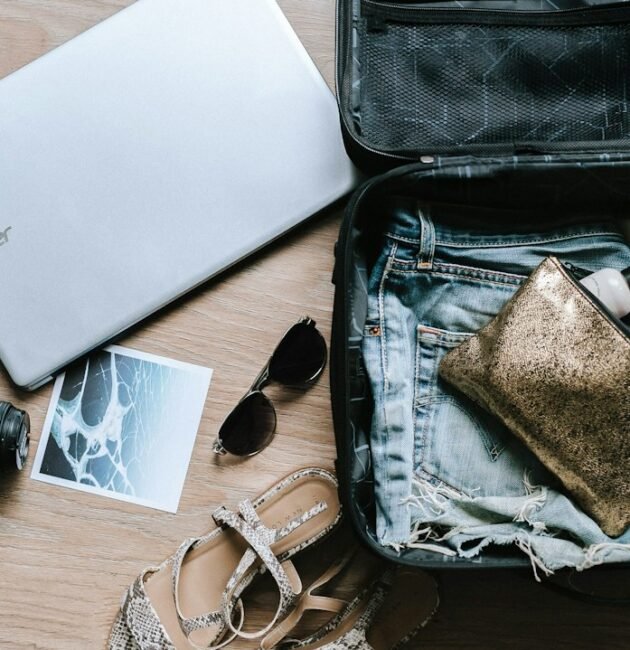
So, you’re wondering how to pack smarter and travel smoother without all the usual headaches? Good news! It’s totally achievable with a few straightforward tricks. We’ll dive into practical tips that go beyond “make a list” – real strategies for fitting more, protecting your stuff, and generally making your journey less stressful. Let’s get to it.
Before You Even Open Your Suitcase: Mindset & Planning
Getting ready for a trip actually starts long before you pull out your luggage. It’s about setting yourself up for success, which means thinking strategically about what you really need and how to optimize for your destination and activities.
Understanding Your Destination’s Demands
This might seem obvious, but it’s often skimmed over. Don’t just check the average temperature; look at the actual weather forecast for your specific travel dates. Are there expected downpours? Unexpected heatwaves? Is your trip urban, requiring more formal wear, or rugged and outdoorsy? Knowing these details prevents you from packing for a beach holiday when you’re actually facing a chilly city break. For example, a trip to London in autumn might mean layers, a waterproof outer shell, and sturdy walking shoes, not just a couple of t-shirts. A quick search for local events or customs can also inform your choices – will you need something slightly dressier for a particular evening, or are you primarily casual?
The Power of the “Maybe” Pile
When you start pulling clothes, it’s easy to create a massive pile. Combat this by having a “maybe” pile. Everything you think you might need, but aren’t certain about, goes here. Once your primary “definitely packing” pile is complete, revisit the “maybe” pile. For each item, ask yourself: “Can I truly not live without this? Is there an alternative I’m already packing?” Often, you’ll find that 80% of the “maybe” items can be left behind. This significantly reduces clutter and unnecessary weight. It’s a psychological trick to force a second, more critical evaluation.
Utilizing Digital Resources
Before you pack, think about what you don’t need to bring. Many hotels provide hairdryers, irons, and basic toiletries. Some even offer universal adaptors or umbrella rentals. A quick call or check of their website can save you precious space. Similarly, if you’re traveling for a longer period, consider if you can buy certain bulky items (like sunscreen or basic shampoo) at your destination rather than lugging them from home. This is especially true for items with liquid restrictions on carry-on bags.
Master the Art of Packing Your Bag
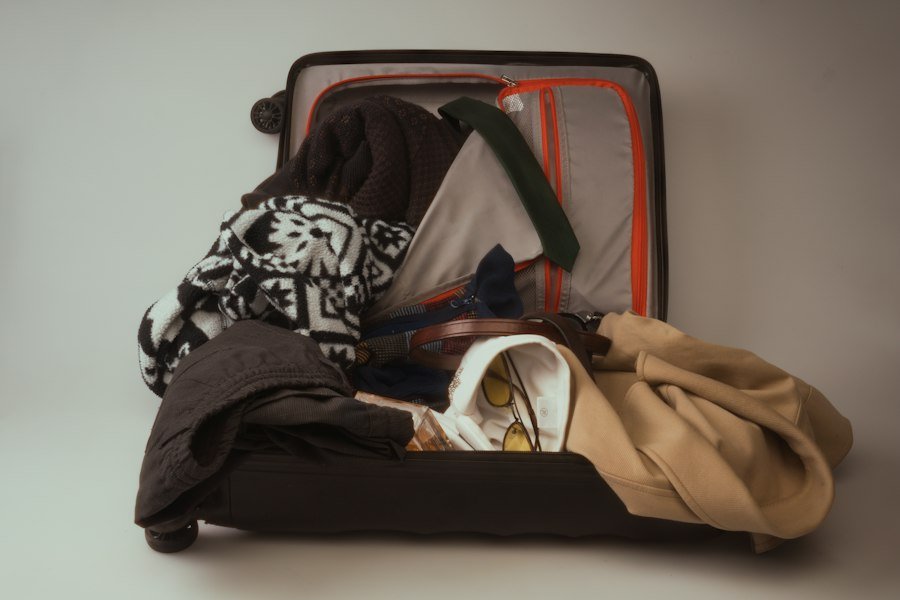
Once you know what’s coming, it’s time to get it into your luggage efficiently. This isn’t just about cramming; it’s about smart organization that maximizes space and minimizes wrinkles.
The Rolling vs. Folding Debate: A Nuanced Approach
The eternal question! Rolling is often touted as the ultimate space-saver, and for many items, it is. T-shirts, jeans, sweaters, and anything made of a less wrinkle-prone fabric (like knits or synthetic blends) benefit greatly from a tight roll. This compresses air out and creates a surprisingly dense, space-efficient package. It also helps prevent deep creases that come from traditional folding.
However, for items that absolutely must stay wrinkle-free – think crisp button-down shirts, dresses made of delicate fabrics, or tailored trousers – a careful fold, perhaps with tissue paper in between, is often better. Some travelers even lay these flatter items on top of a base layer of rolled clothes, or use garment folders designed specifically for this purpose. The key is to use a combination: roll most things, fold the delicate or formal items.
The Magic of Packing Cubes
If you haven’t used packing cubes, prepare for a revelation. These aren’t just organizers; they’re compression tools and sanity savers. They allow you to:
- Segment your items: Keep all your shirts in one cube, pants in another, underwear/socks in a third. This makes it incredibly easy to find things without rummaging through your entire suitcase.
- Compress air: When filled appropriately, packing cubes help push air out of your clothes, making them more compact. Some even have a secondary zipper for extra compression.
- Simplify unpacking: At your destination, you can often just lift the cubes directly into hotel drawers or shelves.
- Manage laundry: Designate one cube for dirty clothes. This keeps smelly items separate from clean ones and makes packing for the return journey a breeze.
- Easily switch bags: If you need to quickly transfer clothes from a large suitcase to a smaller overnight bag, cubes make it seamless.
Start with larger cubes for bulkier items and smaller ones for intimates or accessories. It’s often helpful to color-code or label them if you’re sharing luggage.
Filling the Gaps: Smart Space Utilization
Your luggage isn’t just a big box; it has nooks and crannies. Don’t waste them!
- Shoes: Stuff socks, underwear, or small toiletries into your shoes. This maintains their shape and utilizes otherwise empty space. Place shoes in individual dust bags or shower caps to keep dirt off your clothes.
- Belts: Instead of coiling them, lay belts flat around the perimeter of your suitcase or along the inside walls of packing cubes. This prevents them from taking up bulk and keeps them from getting creased.
- Jewelry & Small Items: Use small travel pouches, glasses cases, or even pill organizers for delicate jewelry, hair ties, or earplugs. These can then be tucked into shoes, toiletry bags, or small gaps.
- Fragile Items: Cushion them with soft clothing items like sweaters or scarves. Place them in the center of your bag, surrounded by clothes, rather than near the edges.
Clever Carry-On Hacks & Personal Item Prowess

Your carry-on and personal item are not just for overflow; they’re strategic packing zones. Maximize their potential, especially for essentials and valuable items.
The 3-1-1 Rule and Beyond for Liquids
We all know the 3-1-1 rule for carry-on liquids (3.4 ounces/100ml containers, packed in one quart-sized clear bag, one bag per passenger). But here’s how to truly hack it:
- Solid Alternatives: Wherever possible, switch to solid versions. Bar shampoo, conditioner bars, solid deodorant, solid perfume, toothpaste tablets, and even solid sunscreen sticks are game-changers. This completely bypasses the 3-1-1 rule for those items, freeing up space in your clear bag for other necessities.
- Travel-Sized Savvy: Instead of buying specific “travel-sized” versions of everything, consider reusable travel bottles. You can fill these with your preferred products from home, which often saves money and avoids product waste. Label them clearly!
- Strategic Placement: Keep your 3-1-1 bag easily accessible at the top of your carry-on or in an outer pocket. This makes airport security a smoother experience.
Essentials in Your Personal Item
Your personal item (backpack, tote, laptop bag) should be your lifeline. It stays with you at your seat and should contain everything you absolutely cannot afford to lose or need quickly.
- Medication: Always carry essential prescription medications in your personal item, in their original containers with the prescription label if possible, especially for international travel. Include a few days’ extra supply.
- Documents & Valuables: Passport, wallet, tickets, itinerary, phone, charger, power bank, and any jewelry or expensive electronics should always be in your personal item, not checked luggage.
- Comfort Items: A neck pillow, eye mask, earplugs/noise-cancelling headphones, a light scarf (doubles as a blanket), and an empty reusable water bottle (fill after security) make long journeys far more bearable.
- Change of Clothes: For longer flights, or if checking luggage, pack a spare set of underwear, socks, and a light top in your personal item. This is a lifesaver if your checked bag gets delayed.
The Laptop Bag: More Than Just Tech
If you’re using a laptop bag as your personal item, think beyond just your computer. Many laptop bags have multiple compartments that are perfect for organizing other small essentials.
- Tech Accessories: Chargers, adapters, external hard drives, USB sticks, and headphones can all be neatly organized. Consider a dedicated tech organizer pouch to keep cords from tangling.
- Reading Material & Entertainment: A book, e-reader, or tablet for offline entertainment.
- Snacks: A few non-perishable snacks can prevent airport hanger and save money.
Tech & Document Travel Hacks
Beyond just packing your gadgets, there are smart ways to prepare your tech and documents for travel, ensuring you stay connected and safe.
Power Management & Adapters
- Universal Adapter with USB Ports: Instead of multiple country-specific adapters, invest in a good quality universal travel adapter that covers most regions. Crucially, look for one that also includes multiple USB charging ports. This allows you to charge your phone, smartwatch, and power bank simultaneously without needing separate USB wall warts.
- Power Bank: A fully charged power bank (portable charger) is non-negotiable, especially for long travel days or when you’re out exploring. Ensure it’s charged before you leave. Remember, power banks must always be in your carry-on, never checked luggage, due to lithium battery regulations.
- Charging Cables: Bring all necessary charging cables, but consider consolidating. If multiple devices use USB-C, for example, you might only need one or two of those cables. Cable ties or small pouches help keep them organized.
Digitalizing Your Documents
Reduce your reliance on physical paper whenever possible.
- Cloud Storage: Scan or take clear photos of your passport, visa, driver’s license, credit cards (front and back, but blur out the CVV for security), flight tickets, hotel reservations, and travel insurance policy. Upload these to a secure cloud service (like Google Drive, Dropbox, or iCloud) or email them to yourself. This way, if your physical documents are lost or stolen, you have accessible copies.
- Offline Access: Crucially, download these digital copies to your phone or tablet so they’re accessible even without an internet connection. Many airline and hotel apps allow you to add reservations directly to your phone’s wallet or calendar.
- Emergency Contacts: Store emergency contact numbers (family, bank’s fraud line, travel insurance) both in your phone and on a small, physical card in your wallet.
Staying Connected Abroad
- Local SIM Card vs. eSIM: For international travel, a local SIM card (purchased upon arrival) or an eSIM (digital SIM that you can activate before you even leave) is usually more cost-effective than international roaming plans from your home provider. Research options for your destination beforehand. eSIMs are particularly convenient as you don’t need to physically swap cards.
- Offline Maps: Download maps of your destination using apps like Google Maps or Maps.me before you leave or when you have Wi-Fi. This allows you to navigate without relying on data, which is especially useful in areas with poor reception or to save on data costs.
- Translation Apps: Download offline language packs for translation apps like Google Translate. This can be invaluable for communicating when you’re without an internet connection.
Arrival & Departure Strategies
| Tip / Hack | Description | Benefit | Estimated Time Saved | Space Saved |
|---|---|---|---|---|
| Roll Clothes Instead of Folding | Rolling clothes tightly to minimize wrinkles and maximize space. | More efficient use of suitcase space and less wrinkling. | 5-10 minutes | Up to 30% |
| Use Packing Cubes | Organize items into separate cubes for easy access and compression. | Keeps luggage organized and compresses clothes to save space. | 10 minutes | Up to 25% |
| Wear Bulky Items During Travel | Wear heavy jackets and shoes on the plane to save luggage space. | Frees up suitcase space for other items. | 0 minutes (no packing needed) | Varies |
| Use Travel-Sized Toiletries | Carry small containers of liquids to comply with airline regulations and save space. | Reduces weight and space taken by toiletries. | 5 minutes | Up to 15% |
| Stuff Shoes with Socks or Small Items | Fill shoes with socks or chargers to utilize all available space. | Maximizes every inch of luggage space. | 3 minutes | 5-10% |
| Use a Digital Luggage Scale | Weigh luggage before leaving to avoid overweight fees. | Prevents last-minute repacking and fees. | 2 minutes | N/A |
| Pack Multi-Use Clothing | Choose versatile clothing items that can be mixed and matched. | Reduces number of items needed. | Varies | Up to 20% |
Your packing efforts shouldn’t stop once you’ve zipped up your bag. There are smart moves to make on arrival and departure day to keep things running smoothly.
Unpacking & Re-packing Efficiency
- The “Dirty Laundry” System: As soon as you wear something, it goes into a designated “dirty laundry” bag or packing cube. This keeps clean and dirty clothes separate and makes repacking for the return journey much easier. You won’t be sifting through things trying to remember what’s been worn.
- Consolidate & Reduce: As your trip progresses, you’ll accumulate souvenirs, use up toiletries, and wear clothes. Mentally or physically consolidate items. For example, if you finish one toiletry, use that space for a souvenir. If you’ve used a whole cube of clothes, that cube is now available for something else.
- The “Last Day” Outfit: Plan your outfit for the travel day home. This should be comfortable, perhaps something you’ve worn already, and doesn’t need to be perfectly clean. Having this pre-selected saves time and decision-making on the final morning.
The Return Journey: Anticipating Challenges
The trip home often feels less exciting, but smart planning can make it stress-free.
- Weight Check: If you bought souvenirs, your bag might be heavier than when you left. If you’re traveling with a scale (some portable ones are tiny!), use it. Otherwise, be prepared to do a quick “rebalance” of items between your checked bag and carry-on at the airport if necessary.
- Designated Souvenir Space: If you know you’ll be buying things, leave a small amount of empty space in your luggage or consider packing a lightweight, foldable duffel bag that can act as an extra checked bag for souvenirs if needed. This is much better than trying to cram everything into an already full suitcase.
- Customs Documents: Keep any receipts or declarations for purchases handy. Know the customs limits for your home country to avoid issues.
Airport Flow: Saving Time & Stress
- Security Preparedness: Before you get to the scanner, have your laptop out, your 3-1-1 liquids bag ready, and any other items requiring separate screening accessible. Wear slip-on shoes if possible. This saves precious minutes and reduces stress for everyone.
- Gate Information: Double-check your gate number and boarding time on an airport screen or app once you arrive, as these can sometimes change.
- Boarding Zone Strategy: If you’re traveling with just a carry-on, try to board earlier in your zone to ensure overhead bin space. If you’re checking a bag, there’s less urgency, but still aim to be at the gate on time.
By implementing these strategies, you’re not just packing; you’re orchestrating a smoother, more enjoyable travel experience. It’s about being prepared, organized, and a step ahead. Happy travels!