
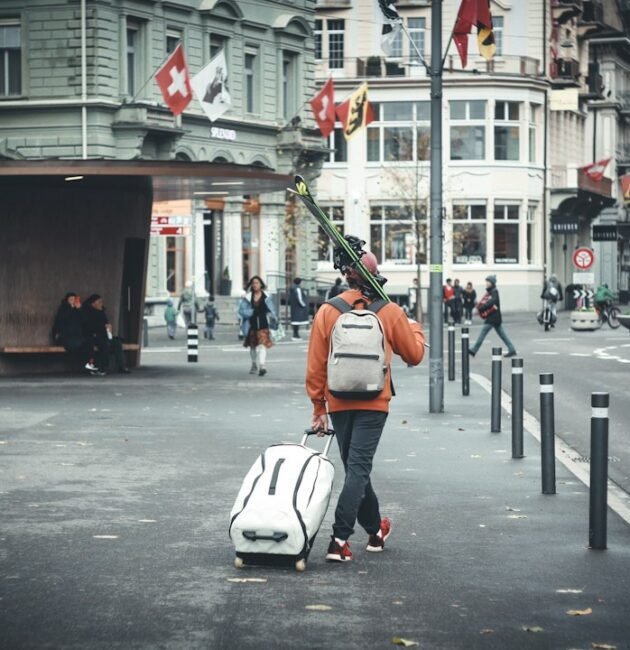
Hey there, future adventurer! Ready to dip your toes into the amazing world of travel? This guide is packed with essential tips to help you navigate your first big trip without a hitch. We’re going to cover everything from getting ready to go, to staying smart and safe while you’re out exploring, and even how to handle those unexpected bumps in the road. Think of this as your friendly chat with someone who’s been there, done that, and learned a few things along the way. Let’s get you set up for an incredible journey!
Getting Started: Planning Your First Adventure
Okay, so you’ve got the travel bug – awesome! Now, where to begin? The sheer number of choices can feel a bit overwhelming at first, but breaking it down makes it much more manageable. This initial planning phase is crucial for setting yourself up for a smooth and enjoyable experience.
Destination Selection and Research
First things first, let’s talk about where you’re going. For your inaugural solo or beginner trip, consider destinations that are generally well-trodden and have good infrastructure for tourists. This doesn’t mean you have to go somewhere boring, but perhaps save the off-grid jungle trek for trip number five. Think about places with a relatively stable political climate, good transportation options, and a decent level of English spoken if you’re not fluent in another language.
Once you have a few ideas, dive into some research. And I mean real research, not just scrolling through pretty Instagram photos. Look into the best time of year to visit regarding weather, local festivals, and tourist crowds. What’s the local culture like? Are there any specific customs or dress codes you should be aware of? What are the main attractions, and more importantly, what are the hidden gems? Understanding these aspects beforehand helps you arrive feeling prepared and respectful.
Budgeting for Your Trip
Ah, the dreaded “B” word. But honestly, a solid budget is your best friend when traveling. Start by estimating your big-ticket items: flights and accommodation. These usually eat up the largest chunk. Then, think about daily expenses: food, local transportation, activities, and souvenirs. Don’t forget to factor in things like travel insurance (we’ll get to that!), visa fees, and a buffer for emergencies.
A good practice is to create a spreadsheet. List out all potential expenses and categorize them. Be realistic about what you’ll spend. It’s always better to slightly overestimate than to run out of money halfway through your trip. Consider using a budgeting app or a simple notebook if spreadsheets aren’t your thing. The key is to track your spending before and during your trip so you know where your money is going. This also helps you identify areas where you might be able to save a little cash.
Passport, Visas, and Vaccinations
These are the non-negotiables, the absolute must-dos before you even think about packing.
Passport Validity
Your passport is your golden ticket. Make absolutely sure it’s valid for at least six months beyond your intended return date. Many countries have this requirement, and airlines will often deny boarding if you don’t meet it, even if your passport is technically still valid. Check its expiration date now, not the week before you leave. If it needs renewing, start that process immediately, as it can take several weeks or even months.
Visa Requirements
Next up, visas. Depending on your nationality and your destination, you might need a visa to enter. Don’t assume you can get one on arrival; always check the specific requirements for your passport to your destination country well in advance. Some visas can be obtained online (e-visas), others require an application through an embassy or consulate. Missing this step can lead to being denied entry, which is a terrible way to start a trip. Websites like VisaHQ or simply checking the official government travel advisories for your destination are good starting points.
Health and Vaccinations
Finally, health matters. Consult your doctor or a travel clinic ideally 4-6 weeks before your trip. They can advise you on any recommended vaccinations for your destination (e.g., Hepatitis A, Typhoid, Yellow Fever) and provide prescriptions for essential medications, like anti-malarials if needed. It’s also wise to pack a small first-aid kit with basics like pain relievers, band-aids, antiseptic wipes, and any personal prescription medications you take. Keep prescription meds in their original packaging with a doctor’s note, especially if traveling internationally.
Packing Smart: More Than Just Stuff
Packing can be a real headache, especially for beginners. The goal isn’t to take everything you might need, but to take what you will need, efficiently. Less is often more when you’re lugging your belongings around.
The Art of the Carry-On
Seriously, try to go carry-on only if you can. It eliminates lost luggage worries, saves time at baggage claim, and makes moving between locations so much easier. Of course, this isn’t always feasible for longer trips or if you have specialized gear, but it’s a fantastic goal.
Choosing the Right Luggage
A good quality backpack (think travel backpack, not necessarily a hiking one) or a small, lightweight wheeled suitcase is key. Make sure it meets the airline’s carry-on dimensions and weight limits for your specific flight. These vary, so always check. Look for features like durable zippers, comfortable straps (if it’s a backpack), and internal compression straps to help maximize space.
Packing Cubes: Your New Best Friend
If you don’t use packing cubes yet, prepare to have your mind blown. These zippered fabric containers organize your clothes, compress them, and make it incredibly easy to find things without ransacking your entire bag. You can categorize by outfit, type of clothing, or even destination. Trust me, they’re a game-changer for keeping things tidy and efficient.
What to Pack (and What to Skip)
This is where the ‘smart’ part comes in. Think versatile, layers, and necessities.
Clothing
Lay out everything you think you want to bring. Then, put half of it back. Seriously. Focus on versatile pieces that can be mixed and matched. Neutral colors are your friend. Pack layers – a t-shirt, a long-sleeve shirt, a fleece or sweater, and a waterproof/windproof outer layer. This allows you to adapt to varying temperatures and weather conditions. Consider quick-dry fabrics if you’ll be doing laundry on the go. Two pairs of comfortable walking shoes are usually sufficient: one to wear, one to pack.
Toiletries and Medications
Decant liquids into travel-sized containers (under 100ml/3.4oz for carry-on). Consider solid shampoo bars, toothpaste tablets, or multi-use products to save space and avoid liquid limits. Only pack essential toiletries. Most common items can be bought at your destination if you run out. For medications, bring enough for your entire trip, plus a few extra days, in their original containers with any necessary prescriptions or doctor’s notes.
Documents and Essentials
Create a physical and digital copy of important documents: passport, visa, flight bookings, accommodation reservations, travel insurance details. Keep one set of physical copies separate from your originals. Email digital copies to yourself and a trusted friend or family member. Also, pack a universal travel adapter, a portable power bank for your phone, and a small daypack for daily excursions.
Security and Accessibility
Think about how you’ll access your belongings and keep them safe.
Valuables
Minimize the number of valuables you bring. If you must bring them, keep them in a secure, hidden place on your person (e.g., a money belt under your clothes) or in a secure hotel safe. Don’t flash expensive jewelry or electronics. A small padlock for your luggage can deter opportunistic thieves.
Easy Access Items
Keep frequently used items (passport, boarding pass, phone, wallet, water bottle) easily accessible, perhaps in a small pouch within your carry-on or daypack, or a secure front pocket. You don’t want to be fumbling around at security checkpoints or while getting on a train.
On the Go: Navigating Your Journey

You’ve planned, you’ve packed, now it’s time to actually get moving! This section covers the practicalities of travel once you’re out the door.
Transportation: Getting From A to B
Moving around is a big part of any trip. Understanding your options and how to use them will save you stress and money.
Flights and Airports
Arrive at the airport with plenty of time, especially for international flights. Two to three hours before departure is a good rule of thumb. Check in online if possible to save time. Familiarize yourself with airport security procedures beforehand to make the process smoother. During the flight, stay hydrated, stretch, and try to adjust to the new time zone quickly (e.g., try to sleep if it’s nighttime at your destination).
Local Public Transport
Buses, trains, subways – these are often the most cost-effective and authentic ways to get around. Research the local public transport system before you arrive. How do you buy tickets? Are there multi-day passes? Which lines go where you need to be? Google Maps is fantastic for real-time public transport directions. Don’t be afraid to ask locals for directions or clarification; most people are happy to help.
Taxis and Ride-Shares
For convenience, especially with luggage or late at night, taxis or ride-share apps (like Uber or Bolt) can be useful. Always use official taxis or reputable ride-share services. Be aware of common taxi scams (e.g., rigged meters, taking longer routes). It’s wise to have an idea of the fare beforehand or ensure the meter is running correctly. Some countries use specific apps that are more prevalent than others, so research which ones are popular where you’re going.
Accommodation: Finding Your Home Away From Home
Your accommodation sets the tone for your trip. Choose wisely based on your budget and travel style.
Types of Stays
Hostels are great for solo travelers and budget-conscious individuals, offering dorms and often private rooms, plus a social atmosphere. Hotels provide more privacy and amenities. Guesthouses or B&Bs offer a more local and intimate experience. Vacation rentals (like Airbnb) can be good for groups or longer stays, offering more space and a kitchen. Read reviews carefully before booking, paying attention to location, cleanliness, and safety.
Checking In and Out
Confirm check-in and check-out times. Let your accommodation know if you’ll be arriving very late or early. Take photos of your room when you arrive, especially if you notice any pre-existing damage, just in case. Before checking out, double-check that you haven’t left anything behind.
Staying Connected and Informed
Technology can be a great tool for travelers, but don’t let it replace real-world exploration.
Phone and Data
Before you leave, check with your phone provider about international roaming plans. Often, buying a local SIM card upon arrival is a much cheaper option for data and calls. Make sure your phone is unlocked before you go if you plan to use a local SIM. Download offline maps (Google Maps allows this) in case you lose signal.
Essential Apps
Beyond maps, consider apps for currency conversion, language translation (like Google Translate), local transport, and even a note-taking app for journaling or jotting down important information. Keep your phone charged, or carry a power bank.
Safety and Well-being: Looking After Yourself
Being excited is great, but being safe and healthy is paramount. A little vigilance goes a long way in ensuring a stress-free trip.
Personal Safety: Being Aware
This isn’t about being paranoid, but about being smart and proactive.
Situational Awareness
Be aware of your surroundings. Keep an eye on your belongings in crowded places. Avoid walking alone in poorly lit or unfamiliar areas at night. Trust your gut feeling – if a situation feels off, it probably is. Try to blend in rather than drawing attention to yourself as a tourist.
Scams and Petty Theft
Be wary of common tourist scams. These can range from overcharging to distraction thefts. Don’t engage with overly persistent street vendors or people offering unsolicited “help.” Keep your money and valuables secure and out of sight. Consider carrying a dummy wallet with a small amount of cash to hand over if you are ever unlucky enough to be mugged.
Emergency Contacts
Have a list of emergency contacts (local police, embassy/consulate, travel insurance provider, family member) easily accessible, both digitally and physically. Know the local emergency number.
Health and Hygiene: Staying Well
An illness can quickly derail your trip. Prevention is key.
Food and Water Safety
Be mindful of what you eat and drink. In many countries, tap water is not safe to drink – stick to bottled water. Be cautious with street food, ensuring it’s cooked fresh and hot. Wash your hands frequently, especially before eating. If you have a sensitive stomach, ease into trying new foods.
Sun and Environment
Pack sunscreen, a hat, and sunglasses, especially if you’re heading somewhere sunny. Stay hydrated, particularly in hot climates. Be aware of insect-borne diseases like malaria or dengue; use insect repellent and consider mosquito nets if advised.
Travel Insurance: Your Safety Net
This is not an optional extra; it’s an essential.
Why You Need It
Travel insurance covers unexpected events like medical emergencies, trip cancellations, lost luggage, and personal liability. Without it, a medical emergency abroad could cost you tens of thousands of dollars out of pocket. Don’t skip this, even for short trips.
Choosing a Policy
Read the fine print! Understand what is and isn’t covered. Look at policies that cover medical emergencies, emergency evacuation, trip interruption, and baggage. Compare different providers and choose one that suits your trip and budget. Keep your policy details and emergency contact numbers handy.
Embracing the Experience: Beyond the Logistics
| Tip | Description | Importance Level | Estimated Time to Prepare |
|---|---|---|---|
| Research Destination | Learn about local customs, weather, and attractions before traveling. | High | 3-5 hours |
| Pack Light | Bring only essentials to avoid heavy luggage and ease mobility. | High | 1-2 hours |
| Secure Important Documents | Keep passport, ID, tickets, and insurance in a safe and accessible place. | High | 30 minutes |
| Plan Budget | Estimate expenses for accommodation, food, transport, and activities. | Medium | 2 hours |
| Health Precautions | Check vaccinations, carry medications, and understand local health facilities. | High | 1-3 hours |
| Learn Basic Local Phrases | Know simple greetings and emergency phrases in the local language. | Medium | 1 hour |
| Inform Someone About Your Trip | Share itinerary and contact details with family or friends for safety. | High | 15 minutes |
| Check Weather Forecast | Prepare appropriate clothing and gear based on expected weather. | Medium | 15 minutes |
| Download Offline Maps | Have maps available without internet to navigate easily. | Medium | 30 minutes |
| Keep Emergency Contacts | Have local emergency numbers and embassy contacts handy. | High | 15 minutes |
While all the practical stuff is important, don’t forget the real reason you’re traveling: to explore, learn, and grow.
Cultural Immersion: Dive In!
Travel is about more than just seeing sights; it’s about experiencing a new culture.
Learn Basic Phrases
Even a few words in the local language (hello, thank you, please, excuse me, yes, no) can go a long way. It shows respect and can open doors to warmer interactions with locals. Apps like Duolingo can help you practice before you go.
Try Local Cuisine
Food is a huge part of culture. Be adventurous! Try local dishes, even if they look unfamiliar. Ask locals for recommendations – they often know the best hidden gems. This is where some of your most memorable experiences will come from.
Respect Local Customs
Do a quick search on local etiquette. Are there specific dress codes for religious sites? Is it customary to tip? Should you remove your shoes before entering someone’s home? Being aware and respectful of local customs prevents misunderstandings and shows that you value their culture.
Documenting Your Journey: Memories to Keep
You’ll want to remember these adventures!
Photography and Journaling
Take photos, but also remember to put your camera down and simply be in the moment. Consider keeping a travel journal to jot down thoughts, feelings, and funny anecdotes – these often become more precious than photos over time. Don’t feel pressured to capture every single thing; enjoy the experience.
Sharing Your Stories
Connect with other travelers and locals. Share your experiences, learn from theirs. When you get home, share your stories with friends and family. Travel changes you, and sharing those changes is part of the journey.
Flexibility and Open-Mindedness: The Traveler’s Mindset
Things will go wrong. Your train might be delayed, your hostel reservation might get messed up, or you might get lost. This is a guarantee.
Expect the Unexpected
Embrace the bumps. How you react to these challenges often defines your travel experience. Instead of getting frustrated, see it as part of the adventure, a story to tell later. Having a flexible attitude makes these moments much less stressful.
Be Open to Change
Don’t over-schedule every minute. Leave room for spontaneity. You might get a recommendation from a local, meet new friends who invite you somewhere, or simply discover a place you want to explore more deeply. Being open to changing your plans can lead to the most unexpected and rewarding experiences.
So there you have it – a robust foundation for your first big travel adventure. Take these tips, make them your own, and remember that the journey itself is the destination. Get out there, explore, and create some incredible memories! Happy travels!