
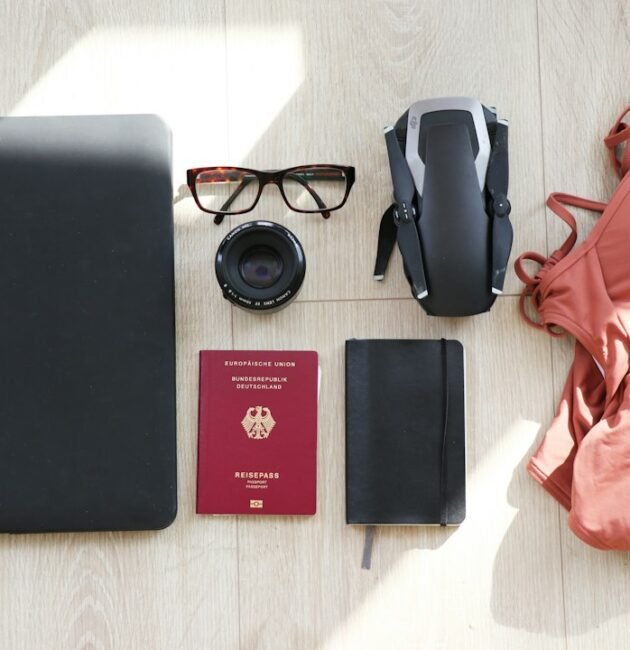
If you’re looking to make your trips smoother, more efficient, and generally less stressful without breaking the bank or sacrificing comfort, you’ve come to the right place. Smart travel isn’t about grand gestures; it’s about a collection of small, practical strategies that add up to a significantly better experience. These aren’t just tips; they’re habits and tools that seasoned travelers swear by, designed to save you time, money, and hassle from planning to homecoming.
Pre-Trip Prep: Laying the Groundwork for Smooth Sailing
Getting things right before you even leave your house can make or break a trip. It’s about proactive planning, not reactive problem-solving. A little effort upfront saves a lot of headaches later.
Digital Document Management
Forget shuffling through a pile of papers at the airport or frantically searching your email for a booking confirmation. The future is digital, and so should your travel documents.
Cloud Storage for Essentials
Before you go, scan or photograph your passport, visa, driver’s license, insurance cards, and any crucial medical documents. Upload them to a secure cloud storage service like Google Drive, Dropbox, or iCloud. This way, if your physical wallet or bag goes missing, you still have access to these vital records from any internet-connected device. It’s a lifesaver for identity verification or insurance claims.
Offline Access for Itinerary
While cloud storage is great, internet access isn’t always reliable, especially when you’re on the move or in a foreign country. Download your flight tickets, hotel reservations, car rental confirmations, and any tour bookings to your phone’s offline storage. Create a dedicated folder for these documents. Many airline apps and booking platforms allow you to save boarding passes and confirmations directly to your phone’s wallet or as PDF files. This ensures you’re never stranded without essential information due to a patchy Wi-Fi signal.
Smart Packing Strategies
Packing isn’t just about fitting everything in; it’s about smart organization, weight management, and anticipating your needs.
The Capsule Wardrobe Approach
Instead of packing individual outfits, think in terms of interchangeable pieces. Choose a color palette (e.g., black, white, gray, and one accent color) and pack items that can be mixed and matched to create multiple looks. This drastically reduces the number of clothes you need to bring. Focus on versatile items like a plain t-shirt that can be dressed up or down, comfortable trousers, and a light jacket. This not only saves space but also reduces decision fatigue each morning.
Rolling vs. Folding and Compression Bags
The age-old debate: roll or fold? For most soft garments, rolling tightly tends to save more space and reduce wrinkles compared to traditional folding. It also makes it easier to see all your items at a glance when you open your suitcase. For bulkier items like sweaters or jackets, compression packing cubes are a game-changer. They use a zipper or vacuum seal to remove air, significantly shrinking the volume of your clothes. Just be mindful that while they save space, they don’t reduce weight, so keep an eye on airline baggage limits.
The “Wear Your Heaviest” Rule
This is a simple but effective hack for minimizing checked bag weight or maximizing carry-on space. Wear your bulkiest shoes (boots, hiking shoes), heaviest jacket, and any layered items (like a hoodie or thick sweater) on the plane. You can always shed layers once you’re on board and comfortable. This strategy can save you a few pounds in your luggage, potentially avoiding overweight fees.
On the Go: Navigating Your Journey Like a Pro

Once you’re out the door, these hacks help you deal with the practicalities of travel, from staying connected to managing your money.
Connectivity and Communication
Staying connected doesn’t have to mean racking up huge roaming bills. There are smarter ways to keep in touch and navigate.
Local SIM Cards or eSIMs
Before relying on your home provider’s international roaming plan, which can be expensive, consider a local SIM card upon arrival. In many countries, these are readily available at airports or convenience stores and offer much cheaper data and call rates. Alternatively, if your phone supports it, an eSIM (embedded SIM) is even more convenient. You can purchase and activate a data plan digitally before you even land, switching providers with just a few taps in your settings. Apps like Airalo or Holafly specialize in global eSIMs.
Offline Maps and Translation Apps
Never get lost or struggle with a language barrier again, even without internet access. Download maps for your destination using Google Maps or Maps.me before you leave your hotel or a Wi-Fi zone. These apps allow you to navigate, find points of interest, and even get public transport directions without data. Similarly, download offline language packs for Google Translate or similar apps. This allows you to translate phrases, signs, and menus instantly using your camera or voice, even when you’re completely offline.
Money Matters Abroad
Handling currency exchange and payments can be a minefield of hidden fees. Smart travelers know how to minimize these costs.
No-Foreign-Transaction-Fee Credit Cards
Many credit cards charge an additional fee (typically 1-3%) on purchases made in a foreign currency. Before your trip, apply for a credit card that specifically waives these foreign transaction fees. These cards can save you a significant amount over the course of a trip, especially for larger expenses like hotels or tours. Always choose to pay in the local currency when offered, as dynamic currency conversion (DCC) at point-of-sale often uses unfavorable exchange rates.
ATM Withdrawal Strategy
While credit cards are great for purchases, cash is still necessary in many places, especially for smaller vendors or tips. Research ATM fees from your bank and potential fees from local ATMs. Some banks offer partnerships that allow fee-free withdrawals in certain countries. When withdrawing, opt for larger, less frequent withdrawals to minimize per-transaction fees. Again, always decline the ATM’s offer to convert to your home currency; choose to be charged in the local currency to get the interbank rate.
During Transit: Making Travel Days Less Draining

Travel days can be exhausting. These hacks aim to streamline the process, making layovers and long journeys more comfortable.
Airport Navigation and Security
Getting through the airport doesn’t have to be a race against the clock or an exercise in frustration.
TSA PreCheck/Global Entry/Priority Pass
If you travel frequently, investing in programs like TSA PreCheck (for US domestic travel), Global Entry (for international arrivals into the US), or similar fast-track security services in other countries (like NEXUS in Canada or Registered Traveler in the UK) can save you hours in security lines. Global Entry also includes PreCheck benefits. For lounge access during layovers, a Priority Pass membership (often a perk of premium credit cards) can turn a long wait into a comfortable, productive break with food and Wi-Fi.
Carry-On Essentials Kit
Assemble a small pouch with immediate necessities for the flight. This should include earplugs, an eye mask, a travel pillow (inflatable ones save space), a small hand sanitizer, lip balm, travel-sized moisturizer, and any essential medications. Having these items easily accessible prevents you from rummaging through your main carry-on mid-flight. Also, pack a reusable water bottle to fill up after security, saving money and reducing plastic waste.
Comfort on Board
Long flights don’t have to be agonizing. Small adjustments can make a big difference in your comfort levels.
Strategic Seat Selection
When booking, use sites like SeatGuru to check seat maps and read reviews of specific seats on your exact aircraft model. Look for seats with extra legroom (exit rows, bulkheads), avoid seats near lavatories or galleys for noise, and consider window seats for resting or aisle seats for easy access to stretching. If you’re traveling as a couple, booking an aisle and window seat in a 3-seat row often deters others from taking the middle seat, potentially giving you more space.
Entertainment and Power Solutions
Don’t rely solely on in-flight entertainment. Download movies, TV shows, podcasts, and audiobooks to your devices before you fly. Pack a portable power bank (fully charged!) to keep your phone, tablet, or e-reader juiced up, especially if your plane doesn’t have working power outlets. A pair of comfortable noise-canceling headphones can be a sanity-saver, blocking out engine noise and chatter, making it easier to relax or sleep.
Accommodation and Local Exploration: Making the Most of Your Stay
Your base and how you explore it profoundly impact your travel experience. These hacks help you optimize both.
Smart Accommodation Booking
Finding the right place to stay involves more than just price; it’s about value, location, and hidden perks.
Booking Directly vs. OTAs
While Online Travel Agencies (OTAs) like Booking.com or Expedia offer convenience, sometimes booking directly with a hotel or airline yields better benefits. Direct bookings might offer loyalty points, free upgrades, or better cancellation policies. It’s often worth checking both. If you find a better price on an OTA, call the hotel directly; they might match it or offer an incentive to book through them.
Leveraging Loyalty Programs and Credit Card Perks
If you frequently stay with a particular hotel chain or fly a specific airline, sign up for their loyalty programs. Even occasional stays can accumulate points for future discounts or free nights. Many travel-focused credit cards also offer hotel chain status, free night certificates, or airline companion passes. Understanding and utilizing these perks can significantly enhance your travel experience and save money.
Local Navigation and Experience
Getting around and immersing yourself in a new place is key to a rewarding trip.
Public Transport Apps and Passes
Embrace public transportation. It’s often the most authentic, cost-effective, and environmentally friendly way to explore a city. Download local public transport apps (e.g., Citymapper, Moovit) for real-time schedules, routes, and fare information. Many cities offer multi-day or weekly passes that are significantly cheaper than individual tickets, especially if you plan to use public transport extensively.
Avoiding Tourist Traps and Finding Local Gems
Research beyond the typical guidebook recommendations. Look for local blogs, food forums, or social media groups dedicated to your destination. Ask hotel staff or locals for their favorite hidden gems, restaurants, or experiences. Sometimes the best experiences are found just a few blocks away from the main tourist drag, offering better value and a more authentic feel. Be wary of “recommended” restaurants near major attractions – they often cater to tourists with inflated prices and mediocre food.
Post-Trip and Beyond: Sustaining Your Smart Travel Habits
| Travel Hack | Description | Benefit | Estimated Savings | Time Saved |
|---|---|---|---|---|
| Use Incognito Mode for Flight Searches | Search flights in private browsing to avoid price hikes based on cookies. | Lower airfare prices | Up to 15% on flights | 5 minutes per search |
| Book Flights on Tuesdays | Airlines often release deals on Tuesdays, making it cheaper to book then. | Cheaper flight tickets | 5-10% on airfare | None (timing strategy) |
| Pack a Reusable Water Bottle | Bring an empty bottle to refill after security to save on buying drinks. | Save money and reduce plastic waste | Up to 10 per trip | None |
| Use Local SIM Cards | Buy a local SIM card for cheaper data and calls instead of roaming. | Lower communication costs | Up to 50% on phone bills | 10-15 minutes to set up |
| Download Offline Maps | Save maps offline to avoid data charges and navigate without internet. | Save on data and avoid getting lost | Varies | 5 minutes |
| Use Credit Cards with Travel Rewards | Pay with cards that offer points or miles for travel expenses. | Earn rewards for future travel | Up to 5% cashback or points | None |
| Travel Light with Carry-On Only | Avoid checked baggage fees and save time at airports. | Save money and reduce wait times | Up to 30 per flight | 15-30 minutes at airport |
| Use Public Transportation | Opt for buses, trains, or metros instead of taxis or rideshares. | Cheaper and often faster in traffic | Up to 70% savings | Varies |
| Book Accommodation with Kitchen | Stay in places where you can cook to save on eating out. | Lower food expenses | Up to 40% on meals | Varies |
| Set Fare Alerts | Use apps to get notified when flight or hotel prices drop. | Book at lowest prices | Up to 20% savings | None |
The journey doesn’t truly end until you’ve debriefed and planned for the next one. These final steps help you consolidate and prepare.
Expense Tracking and Budget Review
Keeping tabs on your spending is crucial for future financial planning and understanding your travel habits.
Digital Expense Trackers
Use a dedicated expense tracking app (like Splitwise, Tripcoin, or even a simple spreadsheet) during your trip. Log all your expenses – no matter how small – as you go. Categorize them (food, transport, accommodation, activities) to see where your money is really going. This granular data is invaluable for reviewing your budget after the trip and adjusting for future adventures. It helps identify areas where you might have overspent or opportunities to save next time.
Credit Card Statement Reconciliation
Upon returning, meticulously review your credit card and bank statements. Cross-reference them with your expense tracker. Look for any unfamiliar charges, duplicate transactions, or incorrect amounts. Dispute any discrepancies immediately with your bank or credit card company. This step is essential for detecting potential fraud or billing errors that might have occurred during your travels.
Gear Maintenance and Future Planning
Taking care of your gear and learning from your experiences sets you up for even smarter travel down the road.
Packing List Refinement
After each trip, take a moment to review what you packed versus what you actually used. Did you bring clothes you never wore? Could you have gotten away with fewer toiletries? Did you wish you had brought something you left behind? Update your master packing list with these insights. This iterative process helps you create a perfectly optimized packing list tailored to your travel style, making future packing faster and more efficient.
Documenting Lessons Learned
Keep a quick mental or physical note of what went well and what didn’t. Did a particular app prove incredibly useful? Was a specific hotel feature a lifesaver? Did you wish you had booked a tour in advance? Document these “lessons learned.” This reflection not only helps you avoid repeating mistakes but also reinforces positive habits and useful hacks for your next adventure. Each trip is an opportunity to refine your approach and become an even smarter traveler.