

Making travel easier often boils down to a handful of smart, practical choices you make before and during your trip. It’s about outsmarting common frustrations, not just hoping they don’t happen. From packing smarter to navigating foreign lands with less stress, these “genius” hacks are really just common sense applied strategically, helping you save time, money, and your sanity.
Pre-Trip Prep: The Foundation of Easy Travel
The groundwork you lay before you even leave your house can drastically impact the smoothness of your journey. This isn’t about rigid itineraries, but about smart planning that offers flexibility and peace of mind.
Digital Document Duplicates
Before you head out, snap photos or scan all your important documents: passport, visa, driver’s license, credit cards (front and back, but blur out the CVV for security), health insurance card, hotel confirmations, flight tickets, and any tour bookings. Save these to a cloud storage service (like Google Drive or Dropbox) that you can access offline, or email them to yourself. Better yet, do both. If your physical wallet or bag goes missing, you’ll still have access to crucial information for reporting losses or proving your identity. It’s a lifesaver when you’re far from home and official documents are suddenly inaccessible.
The Power of Offline Maps
Don’t rely solely on data or Wi-Fi for navigation, especially if you’re traveling internationally or into remote areas. Before you leave, download offline maps of your destination using Google Maps or HERE WeGo. This way, even without an internet connection, you can still get directions, locate points of interest, and figure out public transportation routes. This is incredibly helpful when you’re trying to conserve data, are in an area with spotty reception, or simply don’t want to burn through your battery searching for a signal.
Currency Exchange Strategies
Avoid exchanging large sums of money at airport kiosks; their rates are notoriously bad. Instead, aim to withdraw local currency from an ATM at your destination airport or a trusted bank branch. Check with your bank beforehand about foreign transaction fees and ATM fees. Some banks offer fee-free international withdrawals or reimburse foreign ATM charges. A little research here can save you a significant amount in fees. Also, consider carrying a small amount of local currency for immediate needs like a taxi or a snack, but rely mostly on your card for larger purchases and ATM withdrawals.
Smart Flight Booking Tactics
Booking flights with layovers can sometimes be cheaper, but if you’re not careful, they can also be a headache. When choosing connecting flights, aim for a layover of at least 2-3 hours for international connections, especially if you need to clear customs or change terminals. This buffer helps mitigate delays. Also, consider flying into smaller, alternative airports if they’re close enough to your final destination; they often have cheaper flights and fewer crowds. Tools like Google Flights or Skyscanner allow you to explore different airport options easily.
Packing an Emergency Kit
This isn’t just about band-aids. Think about a small pouch with essentials: a couple of pain relievers, anti-diarrhea medication, motion sickness pills if you need them, a small antiseptic wipe, and any prescription medications you take regularly (always in their original containers). Include earplugs and an eye mask for better sleep on flights or in noisy accommodations. A small portable charger for your phone is also a must-have for those unexpected delays or long days out. This kit addresses immediate minor issues, preventing them from escalating into major discomforts.
Packing Smarter, Not Harder
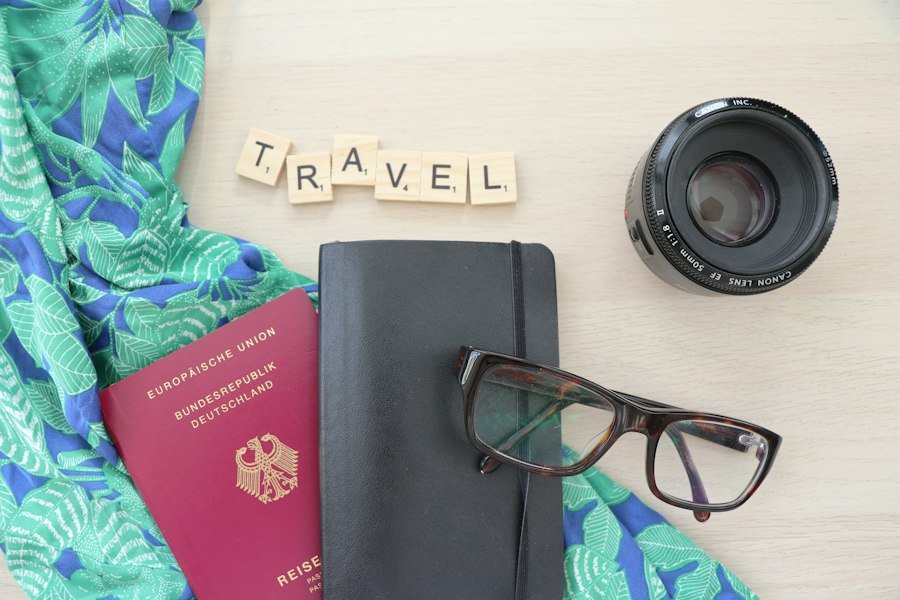
The art of efficient packing is about maximizing space, minimizing wrinkles, and ensuring you have everything you need without overpacking.
The Rolling Method for Clothes
Instead of folding clothes, roll them tightly. This technique not only saves significant space in your luggage but also helps reduce wrinkles, especially for items like t-shirts, jeans, and casual shirts. It also makes it easier to see what you’ve packed without disturbing everything. Combine rolling with packing cubes for ultimate organization; you can dedicate a cube to tops, another to bottoms, and so on.
Utilizing Packing Cubes
Packing cubes are game-changers. They segment your luggage, making it easy to categorize items (e.g., shirts in one cube, pants in another, underwear/socks in a third). This means you can easily pull out what you need without rummaging through your entire suitcase. They also help compress clothes, further saving space, and keep your bag tidy throughout your trip, even as you wear items. When checking into a new place, you can simply pull out the cubes and place them in drawers, minimizing unpacking time.
The One-Bag Travel Mindset
For shorter trips, try to fit everything into a carry-on. This eliminates checked bag fees, the risk of lost luggage, and waiting at baggage claim. It forces you to be strategic about what you truly need. Focus on versatile clothing that can be mixed and matched, and consider laundry services if you’re away for an extended period. Many travelers find that less luggage equals more freedom and less stress.
Essential Carry-On Kit
Your carry-on isn’t just for clothes. It should contain items you can’t afford to lose or might need during your flight or an unexpected delay. This includes your passport, wallet, medications, any valuable electronics (laptop, camera), a change of underwear and a basic toiletry kit (travel-sized) in case your checked bag is delayed, and entertainment (book, downloaded movies). Always have your phone charger accessible.
Shoe and Toiletry Organization
Shoes can be dirty and take up space. Stuff socks or small items inside your shoes to save space, and then place each shoe in a reusable bag (like a fabric shoe bag or even a plastic grocery bag) to prevent dirt from transferring to your clothes. For toiletries, invest in travel-sized reusable bottles for your liquids to comply with TSA regulations and reduce plastic waste. A clear toiletry bag makes it easy to see what you have and quickly go through security.
On-The-Go Comfort and Convenience
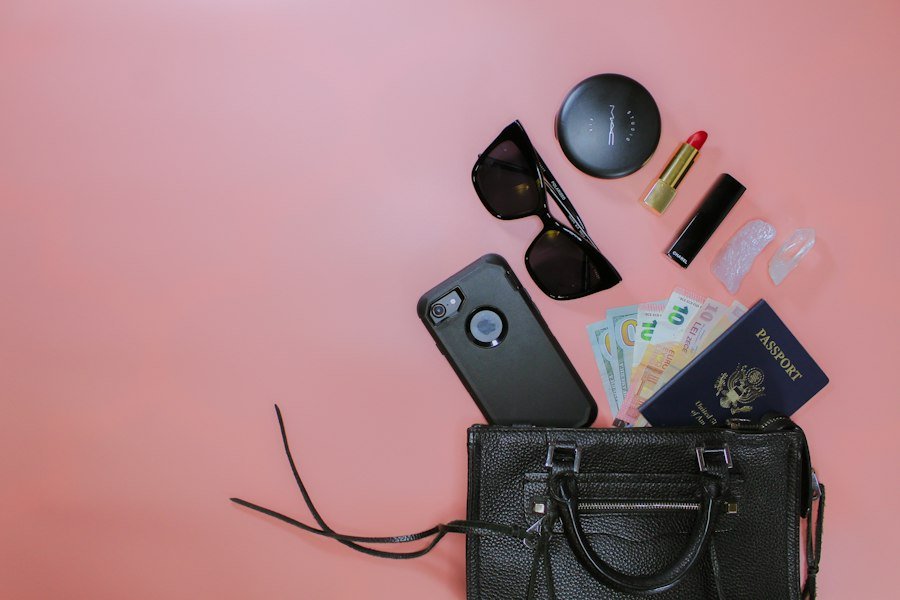
These hacks are about making the actual travel days more pleasant and less arduous, whether you’re flying, driving, or taking a train.
Smart Hydration and Snacks
Airplane cabins are notoriously dry, leading to dehydration and fatigue. Bring an empty reusable water bottle through security and fill it up at a water fountain before boarding. This saves you money on expensive airport drinks and ensures you stay hydrated. Also, pack your own snacks like nuts, granola bars, or fruit. Airport food is often overpriced and unhealthy, and having your own provisions means you won’t be caught hungry during delays or long stretches between meals.
Noise-Canceling Headphones and Entertainment
A good pair of noise-canceling headphones can be a lifesaver on noisy flights, trains, or even in bustling airports. They allow you to listen to music, podcasts, or audiobooks in peace, or simply create a quiet cocoon for rest. Don’t forget to download movies, TV shows, or books onto your devices before you leave home. Relying on in-flight entertainment or Wi-Fi can be unreliable or costly.
Optimize Your Airplane Seat Experience
If you can, choose your seat strategically. Window seats offer a place to lean your head for sleep and a view, while aisle seats provide easy access for stretching or bathroom breaks. For long-haul flights, try to get up and walk around every couple of hours to improve circulation. Dress in layers to adapt to varying cabin temperatures, and consider bringing a small pillow or neck rest for added comfort. Compression socks can also be beneficial for preventing swelling on long flights.
Master Public Transportation
Before arriving at your destination, do a quick search on the local public transportation system. Understand how to buy tickets, common routes, and peak hours. Many cities now have excellent apps that provide real-time information. Using public transport is often cheaper and more efficient than taxis or ride-shares, especially in congested areas, and gives you a more authentic local experience.
Local SIM Card or eSIM
If your phone is unlocked, purchasing a local SIM card upon arrival can be significantly cheaper than relying on international roaming or portable Wi-Fi devices. Many countries offer excellent value data plans. Alternatively, an eSIM (if your phone supports it) allows you to download and activate a local plan digitally, often even before you land, making connectivity seamless from the moment you arrive. This ensures you have reliable data for navigation, communication, and emergencies without breaking the bank.
Navigating Destinations with Ease
| Travel Hack | Description | Benefit | Estimated Time Saved | Ease of Implementation |
|---|---|---|---|---|
| Roll Clothes Instead of Folding | Roll clothes tightly to save space and reduce wrinkles. | Maximizes luggage space and keeps clothes neat. | 5-10 minutes packing time saved | Easy |
| Use a Portable Charger | Carry a power bank to keep devices charged on the go. | Prevents device battery drain during travel. | Varies, avoids downtime waiting for charging | Easy |
| Pack a Reusable Water Bottle | Bring a collapsible or reusable bottle to refill. | Saves money and reduces plastic waste. | Minutes saved by avoiding buying bottled water | Easy |
| Download Offline Maps | Save maps on your phone for use without internet. | Ensures navigation even without connectivity. | Prevents delays, saves up to 30 minutes | Moderate |
| Use TSA-Approved Locks | Secure luggage with locks accepted by airport security. | Protects belongings and avoids lock damage. | Prevents delays during security checks | Easy |
| Set Flight Price Alerts | Use apps to monitor and get notified of fare drops. | Helps book cheaper flights. | Potentially saves hundreds on airfare | Moderate |
| Carry a Travel Laundry Kit | Small detergent and sink stopper for washing clothes. | Reduces packing needs and extends wardrobe. | Saves money and luggage space | Moderate |
| Use Packing Cubes | Organize clothes and items in separate compartments. | Makes packing/unpacking faster and organized. | 10-15 minutes saved per trip | Easy |
Once you’ve arrived, these tips help you make the most of your time and avoid common travel pitfalls.
Early Bird Catches the Worm (and Avoids Crowds)
Most major tourist attractions are significantly less crowded right when they open. Arriving early can mean shorter lines, better photo opportunities without throngs of people, and a more peaceful experience overall. This also often applies to popular restaurants – showing up just before peak lunch or dinner hours can help you snag a table without a long wait.
Use Incognito Mode for Bookings
When searching for flights, hotels, or rental cars online, always use your browser’s incognito or private browsing mode. Websites often track your searches and may subtly increase prices if they see you’re repeatedly looking at the same dates or destinations. Clearing cookies or using incognito mode can help you see the actual lowest prices available.
Leverage Google Translate (Offline)
Google Translate is an indispensable tool when traveling to countries where you don’t speak the local language. Download the language packs for your destination before you go. This allows you to translate text, speech, and even images (like menus or signs) offline, which is incredibly useful for navigating, ordering food, or understanding basic conversations without needing an internet connection.
Stay Aware of Local Scams
Unfortunately, tourist scams are a reality in many popular destinations. Do a quick online search for “common scams in [your destination]” before you arrive. This awareness can help you recognize and avoid situations like inflated taxi fares, fake tour guides, “free” gifts that aren’t free, or pickpocketing tactics. A little knowledge goes a long way in protecting yourself and your valuables.
Master the Art of Asking Locals
Don’t be afraid to ask locals for recommendations. They often know the best hidden gems, authentic restaurants, and efficient ways to get around that aren’t in guidebooks. When asking for directions, ask multiple people if possible, as different individuals might offer slightly different routes or advice. Just be polite and respectful, and remember that a smile goes a long way.
Post-Trip Wind-Down and Future Planning
Even after you’ve returned home, there are a few smart habits that can make future travels easier and help you reflect on your recent adventures.
Review and Reorganize Your Gear
Once you’re back, take a moment to assess your travel gear. What worked well? What didn’t? Did you use everything you packed? Did you wish you had something you didn’t bring? Clean your bags, replenish your travel-sized toiletries, and store things neatly. This makes it much easier to pack for your next trip, as your essentials are already organized and ready to go.
Backup and Share Photos
Don’t let your precious travel memories stay only on your phone or camera. Immediately back up your photos to a cloud service or an external hard drive. This safeguards against accidental loss. Consider creating a shared album with travel companions so everyone has access to all the memories. It’s a small step that prevents big regrets if a device is lost or damaged later on.
Document Key Learnings for Next Time
Keep a mental (or even physical) note of what you learned on your trip. Maybe you found a fantastic cafe, discovered a shortcut, or realized you overpacked certain items. These “lessons learned” are invaluable for future travels. What did you enjoy most? What would you do differently? This reflection helps refine your travel style and ensures each subsequent trip is even smoother.
Clear Out Digital Clutter
Before your next adventure, clear out any unnecessary apps, photos, or files from your phone and other devices. This frees up space for new photos and downloads, and ensures your devices are running optimally. Update any travel apps you use regularly, like airline apps or navigation tools, to ensure you have the latest features and information.
Start a Travel Savings Account
One of the easiest ways to ensure future travel is accessible and less stressful financially is to have dedicated savings. Set up a separate bank account specifically for travel and automate small contributions each month. Even a modest amount adds up over time, removing a significant barrier to embarking on your next journey and making the planning process much less daunting.